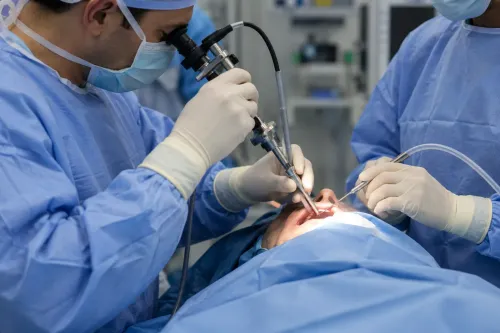
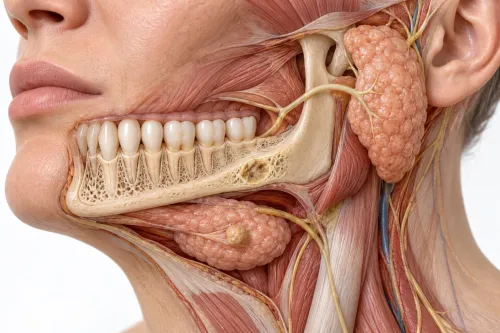
Oral cavity cancer can affect the lips, tongue, gums, inner cheeks, floor of the mouth, hard palate, and other tissues inside the mouth. One of the biggest challenges with this condition is that its early symptoms are often mistaken for common dental problems or minor mouth infections. As a result, many people delay seeking medical attention until the disease has progressed.
Recognising the warning signs of oral cavity cancer early can make a significant difference in diagnosis, treatment options, and long-term outcomes. While these symptoms do not always indicate cancer, any persistent change inside the mouth deserves professional evaluation.
What Is Oral Cavity Cancer?
Oral cavity cancer occurs when abnormal cells grow uncontrollably within the tissues of the mouth. It is one of the more common cancers in India, with tobacco use being a major contributing factor. However, it can also occur in people who have never smoked or chewed tobacco.
The condition develops gradually, which means early symptoms may be subtle and easy to overlook. Paying attention to changes that persist is often the key to early diagnosis.
Warning Signs That Should Never Be Ignored
Many early symptoms of oral cavity cancer resemble harmless conditions. The difference is that cancer-related changes usually do not improve with routine treatment.
A Mouth Ulcer That Does Not Heal
One of the earliest warning signs is a sore inside the mouth that remains for more than two weeks. It may be painful initially or completely painless. If the ulcer continues to grow, bleeds easily, or develops hard edges, it should be examined without delay.
White or Red Patches
Persistent white patches (leukoplakia) or red patches (erythroplakia) on the tongue, gums, or inner cheeks should not be ignored. These changes may not always be cancerous, but some can develop into cancer over time if left untreated.
A Lump or Thickened Area
A swelling or thickened patch inside the mouth or along the jaw that does not disappear should be evaluated. These changes are often painless during the early stages, making them easy to dismiss.
Difficulty Chewing or Swallowing
If eating becomes uncomfortable or you feel that food is getting stuck, the underlying cause should be identified. Persistent swallowing difficulties can sometimes indicate conditions affecting the oral cavity or throat.
Persistent Pain or Numbness
Pain that does not improve, numbness in part of the mouth, or reduced tongue movement may indicate involvement of deeper tissues and requires medical assessment.
Loose Teeth Without Dental Disease
Teeth that become loose despite healthy gums or without obvious dental infection may occasionally indicate an underlying problem affecting the jawbone or surrounding tissues.
Who Is More Likely to Be at Risk?
Although anyone can develop oral cavity cancer, certain factors increase the likelihood.
Common risk factors include:
- Smoking cigarettes or cigars
- Chewing tobacco, gutka, or betel nut products
- Heavy alcohol consumption
- Human Papillomavirus (HPV) infection in selected cases
- Poor oral hygiene
- Long-term irritation from damaged teeth or poorly fitting dentures
- Previous history of oral precancerous lesions
Having these risk factors does not guarantee cancer will develop, but it does make regular oral examinations more important.
How Is Oral Cavity Cancer Diagnosed?
Diagnosis begins with a thorough examination of the mouth, tongue, throat, and neck. The doctor will also ask about symptoms, lifestyle habits, and medical history.
If an abnormal area is identified, further investigations may include:
- Biopsy of the suspicious lesion
- CT scan or MRI to determine the extent of disease
- Ultrasound of neck lymph nodes
- Blood investigations when necessary
- Additional imaging for treatment planning
A biopsy remains the most reliable way to confirm whether a lesion is cancerous.
Why Early Detection Matters
Oral cavity cancer identified during its early stages is generally easier to treat and may require less extensive surgery. Early diagnosis can also improve the chances of preserving normal speech, swallowing, appearance, and overall quality of life.
Waiting for symptoms to become severe can reduce available treatment options. This is why any persistent change inside the mouth should be assessed promptly rather than repeatedly treated with home remedies.
Can Oral Cavity Cancer Be Prevented?
Although prevention is not always possible, the risk can be reduced by adopting healthy habits.
Helpful preventive measures include:
- Avoiding all forms of tobacco
- Limiting alcohol consumption
- Maintaining good oral hygiene
- Scheduling regular dental check-ups
- Eating a balanced diet rich in fruits and vegetables
- Seeking medical advice for mouth ulcers or patches that persist beyond two weeks
Regular self-examination of the mouth in front of a mirror can also help identify unusual changes early.
Specialist Evaluation in Chennai
People living in Chennai, including Kovilambakkam, Pallikaranai, Velachery, Tambaram, and Pallavaram, should not ignore persistent oral symptoms, particularly if they have known risk factors such as tobacco use or recurring mouth ulcers. Early evaluation by a specialist can help determine whether the condition is benign or requires further investigation.
The Face Clinic provides comprehensive assessment and treatment for oral cavity cancer and other head and neck conditions, combining diagnostic expertise with reconstructive surgical care when required. Patients interested in learning more about available services can also refer to faceclinicchennai.com before arranging a consultation.
Most mouth ulcers, lumps, and patches are not cancerous, but those that persist deserve careful attention. Early recognition of the warning signs of oral cavity cancer can lead to timely diagnosis, more effective treatment, and better long-term health outcomes.
Keywords