Surgery for obstructive sleep apnea starts with proving that the breathing problem is caused by airway blockage and identifying where that blockage occurs. By the end, you will know which tests, examinations, treatment decisions, hospital steps and recovery measures belong in a complete surgical plan.
Key takeaways
- Confirm OSA with polysomnography or an appropriate home sleep apnea test.
- Use airway findings, not snoring alone, to select the operation.
- Sleep apnea jaw surgery repositions the jaws to enlarge the blocked airway.
- Ask about recovery time, alternatives, risks and follow-up before choosing a team.
What must be confirmed before OSA surgery?
A surgical plan starts with a formal sleep evaluation, not snoring alone. Polysomnography records breathing pauses, airflow, heart rate, sleep stages and oxygen saturation throughout the night. A home sleep apnea test records fewer variables and suits selected adults only; it is not the right test for every patient.
| Test choice | What it records | When it applies |
|---|---|---|
| Polysomnography | Breathing effort, airflow, heart rate, sleep stages and oxygen saturation | Comprehensive evaluation, especially when other sleep or medical disorders are possible |
| Home sleep apnea test | Fewer breathing and oxygen measurements, without full sleep-stage recording | Selected adults with suspected uncomplicated OSA |
The apnea-hypopnea index (AHI) is the number of apneas and hypopneas per hour of sleep. The clinician must also assess oxygen desaturation, daytime sleepiness, blood pressure and cardiopulmonary disease. Obstructive apnea means the airway closes despite breathing effort; central apnea means respiratory effort stops; mixed apnea contains both patterns.
Review your previous treatment before considering obstructive sleep apnea surgery in Chennai:
- CPAP use, mask leaks, pressure discomfort or inability to tolerate the device
- Oral-appliance treatment
- Weight-management efforts
- Positional therapy
- Treatment for nasal obstruction
Surgery enters the discussion when these measures fail, cannot be tolerated or do not address the anatomical blockage. BMI, neck anatomy, obesity-related risk and other conditions matter: adults with BMI below 40 who cannot use CPAP may be referred for sleep-surgery assessment, while BMI 35 or higher also warrants discussion of bariatric surgery.
A proper OSA surgery consultation in Chennai includes the sleep report, symptoms, treatment history and medical-risk review.
How is the blocked airway located and the operation selected?
An obstructive sleep apnea surgeon in Chennai selects an operation by locating the collapse, not by judging snoring severity. The examination should assess the nose, enlarged turbinates, tonsils, soft palate, lateral throat walls, tongue base and jaw position.
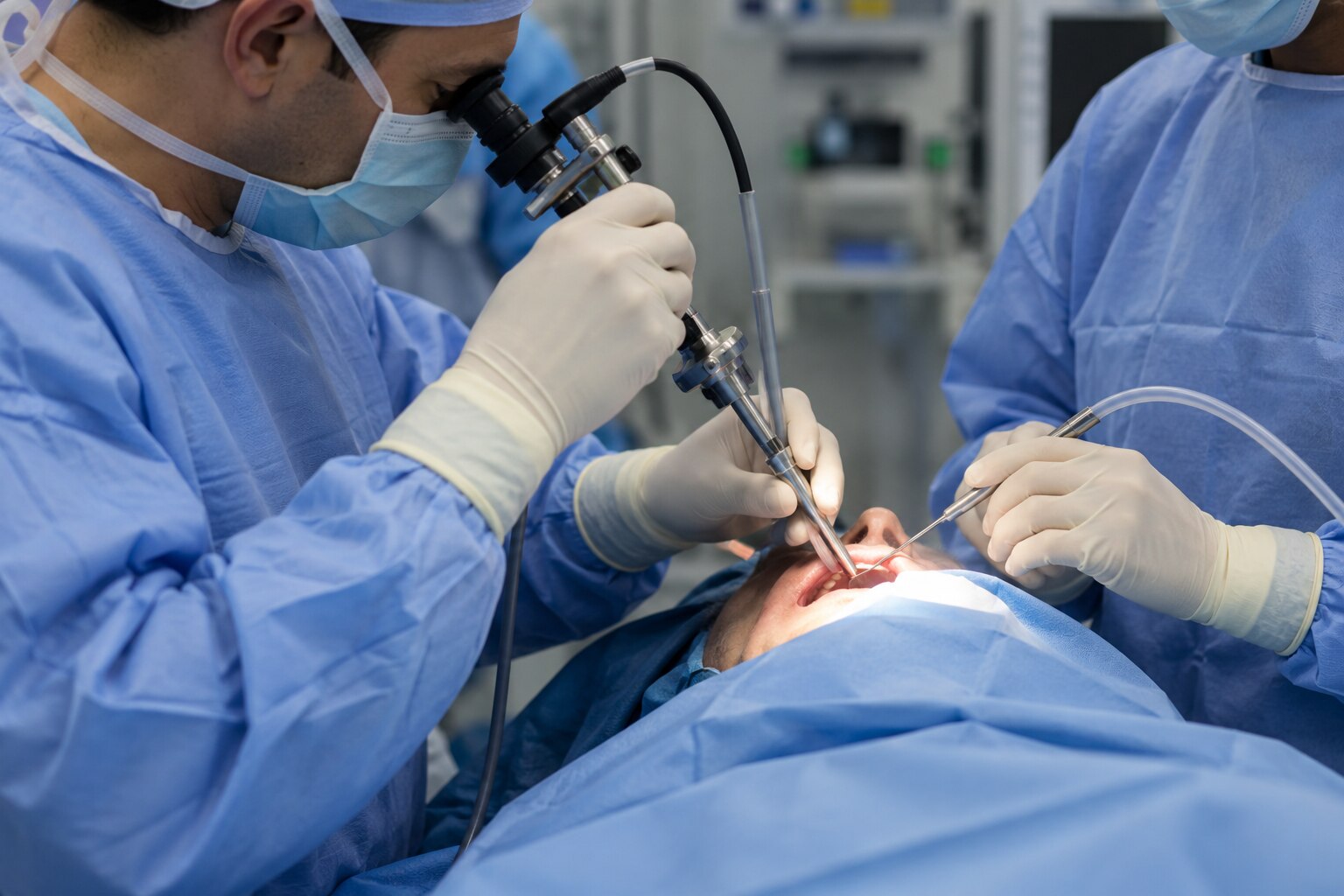
Awake flexible nasendoscopy views the nose and throat while you are alert; drug-induced sleep endoscopy uses medication-induced sleep and a flexible camera when awake findings do not explain the obstruction.
Review facial growth, overbite or underbite, dental health, temporomandibular-joint symptoms, tongue position, neck anatomy, and tonsil and palate structure before choosing treatment. Cephalometric imaging measures facial and jaw relationships, while cone-beam CT shows bony airway dimensions. Reserve CT or MRI for a specific anatomical or medical question.
- Septoplasty or turbinate reduction can improve nasal breathing and CPAP use, but may not resolve moderate or severe OSA when obstruction lies farther back.
- Tonsillectomy, UPPP, expansion sphincter pharyngoplasty, tongue-base surgery, genioglossus advancement and skeletal advancement address different airway levels.
- One procedure may be enough; multilevel collapse may require combined or staged surgery.
| Option | Main target | When it applies |
|---|---|---|
| Nasal surgery | Septum or turbinates | Nasal obstruction limits breathing or CPAP |
| Palatal or tonsil surgery | Tonsils, palate or side walls | Collapse is concentrated in the throat |
| Tongue-base or genioglossus surgery | Tongue-related obstruction | The tongue base narrows the airway |
| Skeletal advancement | Jaw position and deeper airway | Facial structure contributes to collapse |
In obstructive sleep apnea surgery in Chennai, the findings determine the plan.
What does sleep apnea jaw surgery involve?
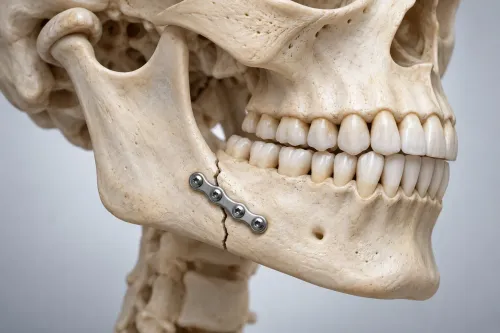
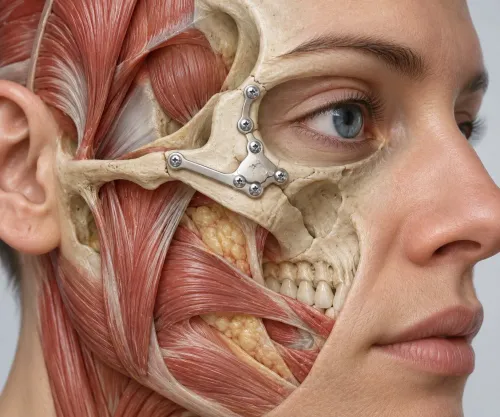
Sleep apnea jaw surgery usually means maxillomandibular advancement (MMA), which moves the upper and lower jaws forward to enlarge the retrolingual and lateral pharyngeal airway.
1. The surgeon plans the movement using dental models, facial measurements and imaging. The aim is to improve airway size without causing an unacceptable change in facial appearance or bite.
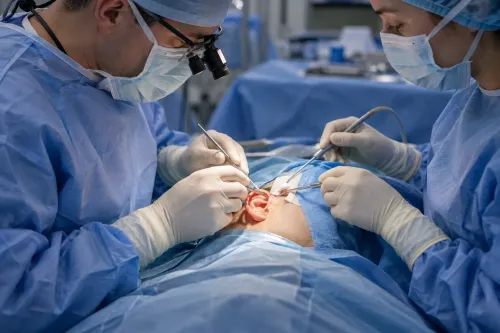
2. A Le Fort I osteotomy separates and advances the maxilla, while bilateral sagittal split osteotomies advance the mandible. Plates and screws hold both jaws in their new positions while the bones heal.
3. Hospital admission and monitored recovery are common because MMA is major jaw surgery. Anaesthetic medicines, sedatives and opioids can worsen airway obstruction in people with OSA.
4. Recovery usually progresses from liquids to soft foods. Follow the prescribed oral hygiene routine, avoid hard chewing until bone healing is confirmed, and restrict heavy exertion and contact injury to protect the osteotomies and fixation.
Expect facial swelling and temporary changes in chewing, speech and lower-face sensation. Numbness can persist. Before consenting, discuss bleeding, infection, dental or occlusal change, relapse, facial numbness and anaesthesia risks.
MMA can substantially reduce the apnea-hypopnea index in selected adults, but it is not an automatic cure. After healing, a repeat sleep study measures the remaining AHI and oxygen pattern; CPAP, an oral appliance, weight management or another procedure may still be needed.
What happens on the operation day and during recovery?
On operation day, the perioperative plan covers an anaesthesia assessment, medication review, airway-risk review, fasting instructions and a decision between inpatient and outpatient care. Tell the team about sedatives, opioids, heart or lung disease, diabetes, blood thinners and previous anaesthetic problems.
Significant OSA, major medical conditions or extensive airway surgery may require monitored recovery with oxygen. Staff observe for airway obstruction, oxygen desaturation, bleeding and excessive sedation before discharge.
| Operation | Pain and diet | Activity limits |
|---|---|---|
| Palatal or tonsil surgery | Throat pain; fluids and soft foods | Avoid strenuous activity until bleeding risk falls |
| Nasal surgery | Nasal pressure or congestion; follow the prescribed nasal-care plan | Avoid nose blowing and heavy exertion as instructed |
| Tongue-base surgery | Swallowing pain; liquids progressing to soft foods | Restrict exertion until swallowing and bleeding risks improve |
| MMA | More intense pain; liquid-to-soft diet and meticulous oral hygiene | Avoid hard chewing, heavy exertion and facial injury until bone healing |
Your written recovery plan should name each pain medicine, identify sedating drugs to avoid and state when to seek urgent help for breathing difficulty, uncontrolled bleeding, dehydration or infection. A generic sheet is not enough because restrictions differ between procedures.
Follow-up checks wound healing, nasal breathing, swallowing, voice, bite, jaw movement and persistent symptoms. Quieter snoring or less daytime sleepiness does not prove OSA has ended. After adequate healing, repeat polysomnography or a home sleep apnea test measures the new AHI and oxygen pattern.
Residual OSA can require CPAP, an oral appliance, weight management, positional treatment or another procedure after obstructive sleep apnea surgery in Chennai.
What should you ask before choosing a Chennai sleep-surgery team?
The right team can name the blocked airway level, show the test that proved collapse there, and explain why surgery offers more than continued CPAP or an oral appliance. Ask during an OSA surgery consultation in Chennai whether the plan treats one site or multilevel obstruction.
| Procedure | What it addresses | Decision to clarify |
|---|---|---|
| Nasal surgery | Septum or turbinates | Will it improve CPAP use without treating deeper OSA? |
| Palatal surgery | Soft palate, tonsils or throat walls | Should it be combined with tongue-base treatment? |
| Tongue-base surgery | Retrolingual collapse | Which sleep-endoscopy finding supports it? |
| Jaw advancement | Craniofacial narrowing and multilevel collapse | Is staging safer than combining procedures? |
When comparing sleep apnea treatment near me, request these answers in writing:
- Expected AHI reduction and oxygen-saturation improvement
- Likelihood of residual OSA and the treatment planned if it remains
- Admission length, postoperative monitoring, and whether sedatives or opioids require extra observation
- Liquid or soft-food duration, jaw-movement limits, and bone-healing restrictions
- Date for repeat polysomnography or home sleep apnea testing after healing
A sleep apnea surgeon in Chennai should explain how facial proportions, overbite or underbite, dental disease, temporomandibular-joint symptoms, obesity, neck anatomy, and heart or lung disease change risk and results. Ask whether sleep diagnosis, airway examination, dental planning, anaesthesia review, and postoperative testing are coordinated.
The Face Clinic is relevant when its head and neck and maxillofacial expertise matches those anatomical questions. Choose objective evidence over proximity or snoring alone.
Frequently asked questions
What must be confirmed before obstructive sleep apnea surgery?
Confirm obstructive sleep apnea through a formal sleep evaluation. Polysomnography measures breathing pauses, airflow, heart rate, sleep stages and oxygen saturation; a home sleep apnea test records fewer variables and suits selected adults.
How is the blocked airway located before OSA surgery?
The surgical team combines sleep-test results with an airway examination and relevant imaging or specialist assessments. These findings identify the obstruction and guide the choice of operation.
What does sleep apnea jaw surgery involve?
Sleep apnea jaw surgery repositions the upper jaw, lower jaw or both to create more space behind the tongue and enlarge the airway. Your surgeon should explain the planned movements, expected benefits, risks and recovery.
What should you ask before choosing a sleep apnea surgeon in Chennai?
Ask how the diagnosis was confirmed, where the airway is blocked, why the proposed operation fits your findings, what alternatives exist, how long recovery takes and how follow-up will be handled.
Keywords