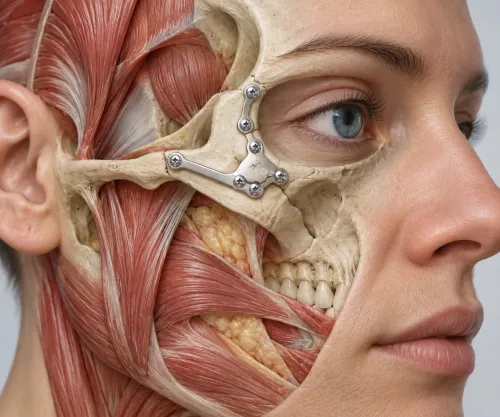
A lump near the jaw, cheek, below the ear or under the chin can sometimes originate from a salivary gland. Salivary gland tumors are a diverse group of conditions, and one of the first questions patients naturally ask is whether a detected growth is benign or cancerous.
For patients in Velachery, Chennai, understanding treatment options for salivary gland tumors starts with knowing which gland is involved and obtaining an accurate diagnosis.
Major and Minor Salivary Glands
The three major paired salivary glands are the parotid, submandibular and sublingual glands. Numerous smaller salivary glands are also distributed throughout parts of the mouth and throat.
The parotid glands are located around the area in front of and below the ears. A swelling in this region can have several causes, including inflammatory conditions and tumors.
Importantly, not every salivary gland tumor is malignant.
Benign and Malignant Tumors Need Different Considerations
Benign tumors do not behave like cancer, but that does not mean they should automatically be ignored. Some may gradually enlarge and can become more difficult to manage depending on their location.
Malignant salivary gland tumors vary substantially in their biological behavior. Different pathological types can have different patterns of growth and spread.
This diversity makes tissue diagnosis and specialist interpretation particularly important.
How Is a Salivary Gland Lump Evaluated
Assessment generally combines clinical examination with appropriate investigations.
Depending on the situation, these may include:
- Ultrasound
- Fine-needle aspiration or another sampling technique
- CT or MRI
- Detailed examination of facial nerve function
- Additional investigations when malignancy is suspected
The choice of investigation depends partly on which gland is affected and the characteristics of the swelling.
Surgery and the Facial Nerve
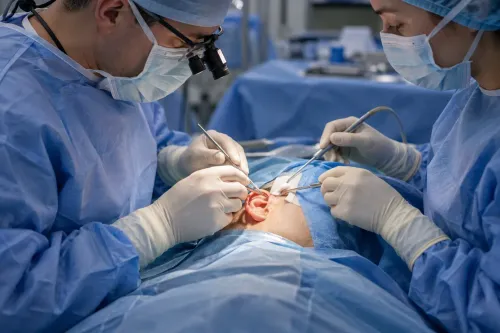
Parotid surgery requires particular attention because branches of the facial nerve pass through the gland. This nerve controls facial movement.
The relationship between a tumor and the facial nerve is therefore an important surgical consideration. The extent of surgery varies according to the location, size and suspected or confirmed pathology.
Patients considering parotid surgery should understand both the objective of removing the tumor and the functional anatomy involved.
When Additional Cancer Treatment May Be Needed
For malignant tumors, surgery may be one component of a broader treatment plan.
The final pathology can provide information about tumor type, grade, margins and other features. Depending on these findings and disease stage, postoperative radiotherapy may be considered.
Neck treatment may also be relevant in selected malignant tumors when lymph node involvement is present or clinically important.
There is no universal treatment package for every salivary gland cancer.
Comparing the Priorities
For a benign tumor, the discussion may focus on confirming the diagnosis, monitoring versus removal where clinically appropriate, surgical anatomy and preservation of function.
For a malignant tumor, priorities additionally include staging, adequate cancer treatment, assessment of lymph nodes and whether additional therapy is indicated.
That distinction is why online descriptions of 'salivary gland tumor treatment' cannot substitute for diagnosis.
At The Face Clinic, salivary gland evaluation can incorporate head and neck assessment with consideration of facial function and reconstructive requirements when relevant.
For patients in Velachery and elsewhere in Chennai, Tamil Nadu, the useful first step is to determine what the swelling actually represents. Once the gland, pathology and extent of disease are understood, treatment can be planned around the individual condition rather than the broad label of a salivary gland lump.
Keywords