A cleft lip, cleft palate, or other craniofacial birth defect can affect a child's feeding, speech, hearing, dental development, and facial appearance. Although these conditions are present at birth, advances in reconstructive surgery and multidisciplinary care have made it possible for many children to lead healthy, active lives. Early diagnosis, timely surgical intervention, and long-term follow-up all play an important role in achieving the best possible outcomes.
Parents often have many questions after learning that their child has a craniofacial condition. Understanding the available surgical treatment options can help families prepare for the journey ahead and make informed decisions alongside their healthcare team.
What Are Cleft Lip and Cleft Palate?
A cleft lip occurs when the tissues that form the upper lip do not join completely during pregnancy. A cleft palate develops when the roof of the mouth does not close properly before birth. Some children have only a cleft lip, some have only a cleft palate, while others have both conditions together.
Craniofacial birth defects include a broader group of conditions that affect the bones and soft tissues of the skull and face. These conditions vary in severity and often require specialised treatment plans.
Why Early Treatment Is Important
A cleft or craniofacial condition can affect several aspects of a child's development, including:
- Feeding during infancy
- Speech and language development
- Hearing
- Breathing
- Dental alignment
- Facial growth
- Emotional and social well-being
Early assessment allows doctors to create an individualised treatment plan that supports healthy development throughout childhood.
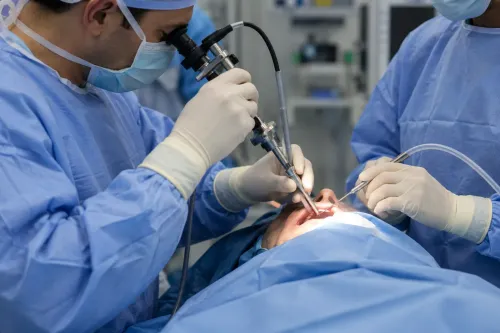
Surgical Treatment for Cleft Lip
Cleft lip repair is usually performed during the first few months of life, depending on the baby's overall health and readiness for surgery.
The goals of surgery include:
- Closing the gap in the upper lip
- Improving facial symmetry
- Restoring muscle function
- Supporting normal feeding and speech development
- Minimising visible scarring
As the child grows, additional procedures may sometimes be recommended to improve appearance or function.
Surgical Treatment for Cleft Palate
Cleft palate repair is generally performed during infancy to improve the structure and function of the roof of the mouth.
The surgery aims to:
- Separate the mouth from the nasal cavity
- Improve swallowing
- Support speech development
- Reduce the risk of recurrent ear infections
- Promote healthy facial growth
Following surgery, speech therapy may be recommended to help children develop clear communication skills.
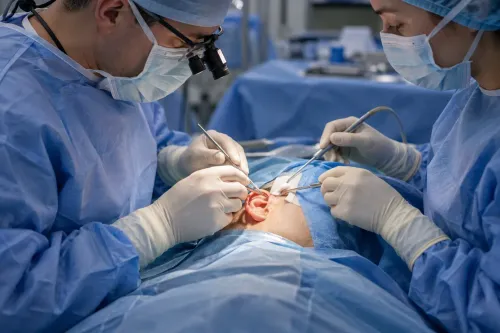
Managing Craniofacial Birth Defects
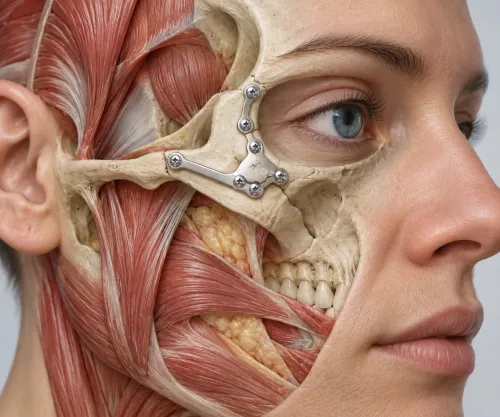
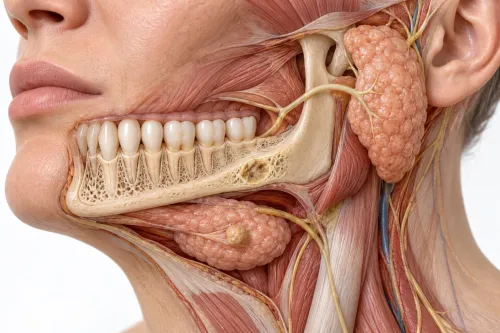
Some children are born with more complex craniofacial conditions affecting the skull, jaw, eye sockets, or facial bones. Treatment depends on the specific diagnosis and the child's stage of growth.
Management may involve:
- Reconstructive facial surgery
- Skull reshaping procedures
- Jaw surgery
- Bone grafting
- Soft tissue reconstruction
- Orthodontic treatment
- Speech and hearing rehabilitation
Many children require staged procedures performed over several years as they grow and develop.
The Importance of a Multidisciplinary Team
Successful treatment extends beyond surgery alone. Children with cleft lip, cleft palate, or craniofacial conditions often benefit from coordinated care provided by multiple specialists.
The care team may include:
- Craniofacial surgeons
- Paediatricians
- Anaesthesiologists
- Speech and language therapists
- Orthodontists
- Dentists
- Audiologists
- Nutrition specialists
- Psychologists
Working together allows the team to address both the medical and developmental needs of the child.
What Can Parents Expect After Surgery?
Recovery varies depending on the type of procedure performed.
Following surgery, parents receive guidance on:
- Feeding techniques
- Wound care
- Pain management
- Follow-up appointments
- Activity restrictions
- Monitoring healing
Children usually require regular reviews throughout childhood to monitor facial growth, speech development, dental alignment, and hearing.
Long-Term Outlook
Many children who undergo timely treatment for cleft lip, cleft palate, or craniofacial birth defects grow up to lead healthy and active lives. Some may require additional surgeries during adolescence to optimise facial growth or function, while others need only routine follow-up.
Long-term care focuses on helping each child achieve the best possible functional and cosmetic outcome while supporting confidence and overall quality of life.
Choosing the Right Specialist
Managing craniofacial conditions requires careful planning, specialised surgical expertise, and coordinated rehabilitation. Parents should look for a healthcare team experienced in treating congenital facial conditions and providing long-term follow-up.
Families in Chennai, including Kovilambakkam, Pallikaranai, Velachery, Tambaram, and Pallavaram, have access to specialised evaluation for children with cleft lip, cleft palate, and craniofacial birth defects. Early consultation allows treatment to be planned according to the child's age, health, and developmental needs.
The Face Clinic provides assessment and surgical management for craniofacial conditions, combining reconstructive expertise with comprehensive follow-up care. Parents seeking additional information about treatment options can also refer to faceclinicchennai.com before arranging a specialist consultation.
Every child is unique, and so is every treatment journey. With timely surgery, coordinated rehabilitation, and continued support, children born with cleft lip, cleft palate, and other craniofacial birth defects can achieve significant improvements in function, appearance, and overall well-being.
Keywords