Cancer treatment involving the mouth, throat, tongue, or voice box often focuses on eliminating disease while preserving essential functions. After successful treatment, many patients face a new challenge: regaining the ability to speak clearly and swallow comfortably. Speech and swallowing rehabilitation plays a crucial role in helping individuals return to daily life with confidence and independence.
The extent of rehabilitation required depends on the type of cancer, surgical procedure performed, and whether radiation therapy was also part of treatment. Some patients experience mild temporary difficulties, while others require more structured rehabilitation programs.
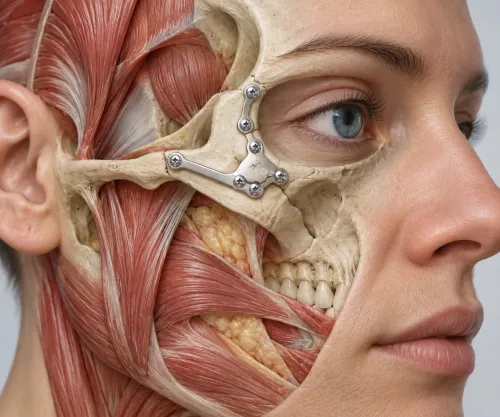
Swallowing is a complex process involving multiple muscles and nerves working together. Surgery for oral, throat, or laryngeal cancers can temporarily alter this coordination. As a result, patients may experience coughing during meals, difficulty swallowing certain foods, or a sensation that food is becoming stuck.
Speech changes can occur for several reasons. Procedures involving the tongue, palate, jaw, or voice box may affect pronunciation, voice quality, and speech clarity. Fortunately, targeted rehabilitation strategies often help patients adapt and improve communication skills.
Key goals of rehabilitation include:
Improving swallowing safety
- Reducing choking risk
- Enhancing speech clarity
- Supporting nutritional intake
- Improving quality of life
- Promoting social confidence
Speech-language pathologists play a central role in recovery. They assess functional limitations and design personalized therapy programs based on individual needs.
Common rehabilitation techniques include:
Swallowing Exercises
Specific exercises help strengthen muscles involved in swallowing and improve coordination.
Dietary Modifications
Patients may temporarily require softer foods, thickened liquids, or altered meal strategies to ensure safe swallowing.
Speech Therapy
Targeted exercises can improve articulation, voice projection, and communication effectiveness.
Compensatory Techniques
Patients learn practical strategies that help overcome temporary or long-term functional limitations.
Recovery timelines vary widely. Some individuals notice improvements within weeks, while others continue making progress over several months. Consistency with therapy and regular follow-up appointments often contribute significantly to successful outcomes.
Families also play an important role during rehabilitation. Emotional support, patience, and encouragement help patients remain motivated throughout the recovery process.
Across Chennai, advances in head and neck cancer treatment have improved both survival rates and rehabilitation outcomes. Increasing emphasis is being placed on restoring quality of life alongside disease management.
The Face Clinic in Velachery, Chennai, supports patients recovering from head and neck cancer treatment through multidisciplinary care focused on both functional recovery and long-term well-being. Rehabilitation planning is tailored to the specific challenges faced by each patient.
Recovery after cancer surgery extends beyond healing incisions. Regaining the ability to speak, eat, and interact comfortably is an important part of returning to everyday life. With appropriate rehabilitation and ongoing support, many patients achieve meaningful improvements that enhance both confidence and independence.
Keywords