Laryngeal cancer surgery is an important step in treating cancer of the voice box, but recovery does not end when the operation is complete. Healing after surgery involves restoring functions such as speaking, swallowing, breathing, and returning to daily activities. Every patient's recovery journey is different and depends on the type of surgery performed, the stage of the cancer, and overall health.
Understanding what happens after laryngeal cancer surgery can help patients and their families prepare for rehabilitation with realistic expectations. With the right medical care, therapy, and support, many people regain confidence and adapt successfully to life after treatment.
What Is Laryngeal Cancer Surgery?
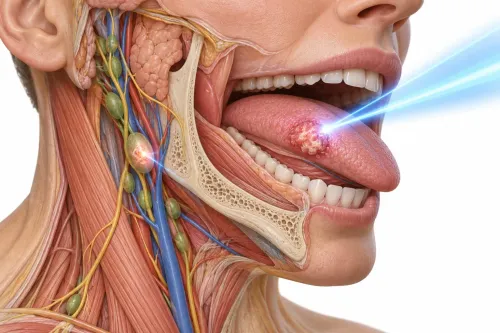
The larynx, commonly known as the voice box, plays an essential role in speaking, breathing, and swallowing. When cancer develops in this area, surgery may be recommended to remove the tumour while preserving as much normal function as possible.
Depending on the location and extent of the cancer, treatment may involve:
- Partial laryngectomy, where only part of the larynx is removed
- Total laryngectomy, where the entire voice box is removed
- Minimally invasive procedures for selected early-stage cancers
- Surgery combined with radiation therapy or chemotherapy when required
The type of surgery influences both the recovery timeline and rehabilitation plan.
What to Expect Immediately After Surgery
The first few days after surgery focus on healing and monitoring for complications. Patients are cared for by a multidisciplinary team that may include surgeons, nurses, speech-language pathologists, dietitians, and physiotherapists.
During this period, patients may experience:
- Soreness around the surgical site
- Temporary difficulty swallowing
- Swelling in the neck
- Changes in voice or complete loss of natural voice after total laryngectomy
- A temporary or permanent tracheostomy, depending on the procedure
Hospital stay varies according to the type of surgery and the patient's overall recovery.
Regaining the Ability to Swallow
Swallowing is one of the most important aspects of rehabilitation. After surgery, the muscles involved in swallowing may need time to recover.
A speech and swallowing therapist typically evaluates swallowing function before food and liquids are reintroduced. Some patients may temporarily require a feeding tube until swallowing becomes safe.
Therapy often includes:
- Swallowing exercises
- Posture adjustments during meals
- Modified food textures
- Techniques to reduce the risk of food entering the airway
Following professional guidance helps improve nutrition while reducing complications.
Learning New Ways to Communicate
Voice changes are among the biggest concerns after laryngeal cancer surgery. Patients who undergo partial laryngectomy may retain some natural speech, while those with total laryngectomy require alternative methods of communication.
Rehabilitation options may include:
- Voice prosthesis
- Electrolarynx device
- Oesophageal speech training
- Speech therapy to improve communication skills
Learning a new way to communicate takes time and practice, but many individuals regain the ability to hold conversations and participate confidently in social and professional activities.
Breathing and Stoma Care
Patients who undergo total laryngectomy breathe through a permanent opening in the neck called a stoma.
Proper stoma care is essential to prevent infection and maintain comfortable breathing. Patients and caregivers receive education on:
- Cleaning the stoma
- Using humidification devices
- Protecting the airway from dust and water
- Recognising signs of infection or blockage
Developing a daily care routine helps patients become more independent over time.
Emotional Recovery Is Equally Important
Adjusting to changes in speech, appearance, and daily routines can be emotionally challenging. Some patients experience anxiety, frustration, or reduced confidence during recovery.
Support may come from:
- Family members
- Counsellors or psychologists
- Speech therapists
- Cancer rehabilitation specialists
- Patient support groups
Addressing emotional well-being is an important part of overall recovery and should not be overlooked.
Lifestyle Changes That Support Healing
Healthy habits play a significant role in long-term recovery after laryngeal cancer treatment.
Patients are usually advised to:
- Stop smoking completely
- Avoid alcohol if recommended
- Eat a nutritious, protein-rich diet
- Stay physically active within medical advice
- Attend regular follow-up appointments
- Perform prescribed speech and swallowing exercises consistently
These measures can improve healing, reduce complications, and support overall health.
Why Follow-Up Care Matters
Recovery continues long after leaving the hospital. Regular follow-up appointments allow doctors to monitor healing, assess speech and swallowing progress, detect any recurrence early, and manage treatment-related side effects.
Patients should also report any new symptoms such as difficulty swallowing, persistent pain, neck swelling, or changes around the stoma without waiting for the next scheduled visit.
Rehabilitation Support in Chennai
Patients recovering from laryngeal cancer surgery in Chennai, including those from Kovilambakkam, Pallikaranai, Velachery, Tambaram, and Pallavaram, can benefit from coordinated rehabilitation involving surgeons, speech-language therapists, and supportive care specialists. Access to comprehensive rehabilitation services helps improve both functional recovery and quality of life.
The Face Clinic provides specialised care for patients with head and neck cancers, including surgical treatment and post-operative rehabilitation planning. Individuals seeking more information about treatment pathways and recovery support can also explore faceclinicchennai.com before consulting with a specialist.
Recovery after laryngeal cancer surgery is a gradual process that extends beyond physical healing. With structured rehabilitation, regular follow-up, and the support of an experienced healthcare team, many patients successfully adapt to life after treatment and regain independence in their daily activities.
Keywords