Treatment is worth pursuing when it offers a realistic path to controlling the cancer while preserving breathing, swallowing, speech, chewing, appearance and daily independence. By the end, you will be able to judge a proposed treatment plan, compare its likely benefits with recovery and long-term costs, and identify the questions that reveal whether care is coordinated and stage-appropriate.
Key takeaways
- Judge treatment by cancer control, function, appearance and quality of life.
- Ask how diagnosis and stage change your recommended treatment.
- Compare surgery, radiotherapy and drug treatment by likely benefits and lasting effects.
- Include reconstruction, speech, swallowing and nutritional rehabilitation in the plan.
What Does “Worth It” Mean for Head and Neck Cancer?
Treatment is worth pursuing when it offers a credible chance of controlling the tumour while protecting breathing, speech, swallowing, chewing, appearance, work and quality of life. Survival matters, but it is not the only measure: a plan that controls cancer yet causes major functional loss needs discussion of rehabilitation, risks and long-term support.
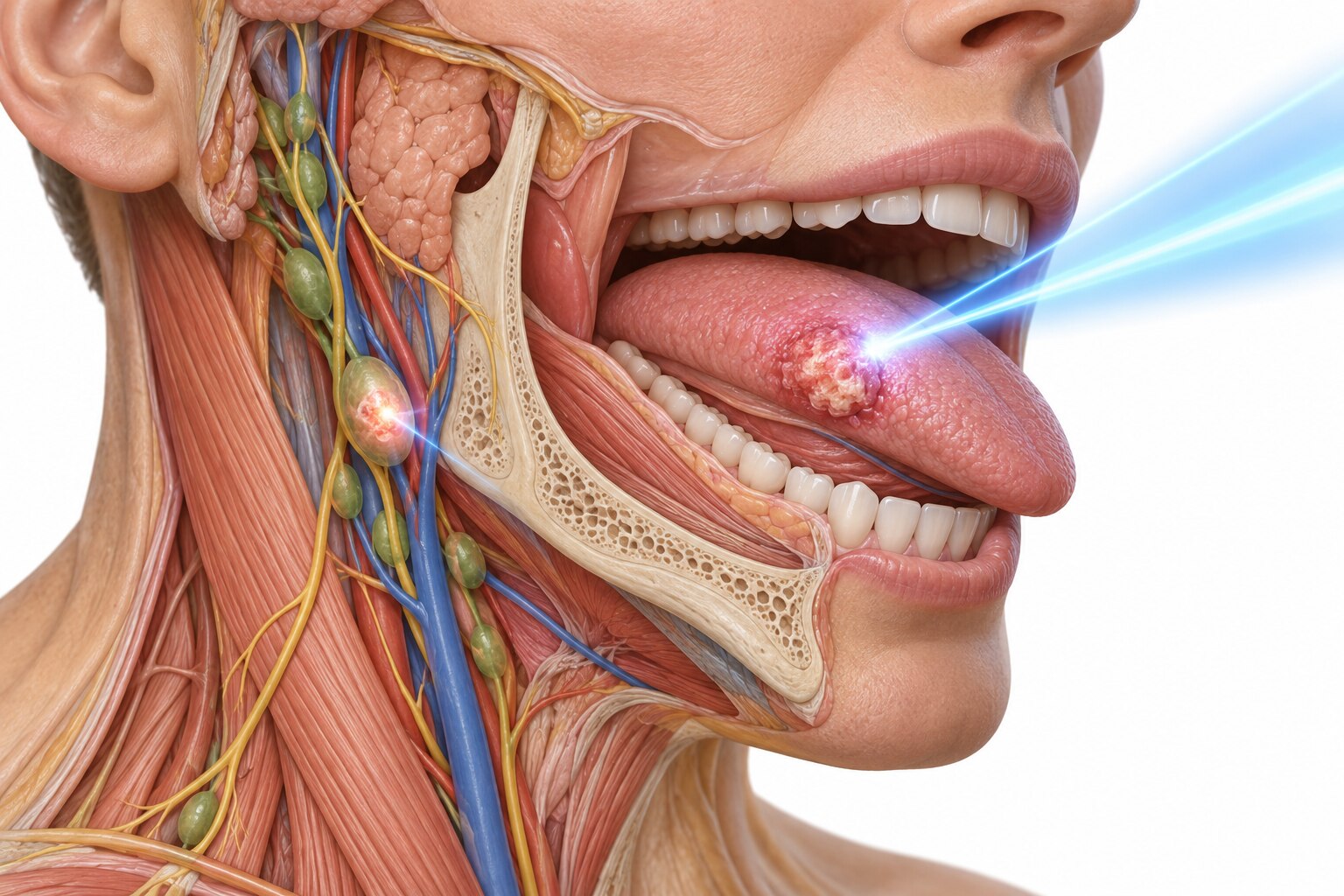
Head and neck cancer includes cancers of the lip, tongue, gums, cheek lining, floor of the mouth, palate, tonsil, throat, voice box, salivary glands, jaw and neck lymph nodes. These sites differ in anatomy, spread and function, so they require different combinations of surgery, radiotherapy, drug treatment, neck treatment and reconstruction.
Seek prompt assessment for any of these lasting more than three weeks:
- A mouth ulcer, red or white patch, or unexplained bleeding
- A loose tooth without a clear dental cause
- A neck lump
- Difficulty swallowing or a persistent voice change
Early oral cancers can be painless. Waiting for pain can allow a larger tumour to develop, making neck treatment, a bigger operation or reconstruction more likely.
Smoking, smokeless tobacco, areca nut or betel quid and alcohol make oral cancer a significant public-health concern in India. The value of oral and head neck cancer treatment in Chennai therefore depends on coordinated care, not an operation alone.
Ask for the complete pathway when comparing oral cancer treatment in Chennai: tumour control, recovery, rehabilitation, follow-up, travel, lost work and the cost of managing complications.
How Diagnosis and Stage Determine the Treatment You Are Offered
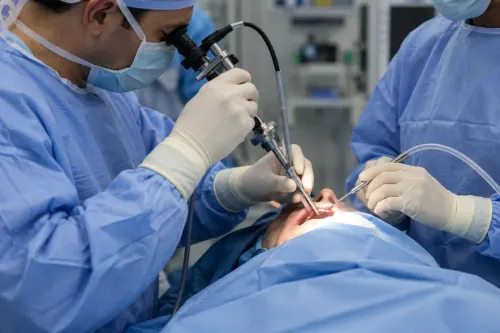
A biopsy establishes what the tumour is; scans establish where it has gone. Endoscopy and examination of the cervical lymph nodes assess the visible primary and neck. Ultrasound-guided needle sampling can test a suspicious node, while CT shows bone involvement, MRI defines soft-tissue spread, and PET-CT looks for distant disease.
Imaging cannot replace histopathology. Ask who will perform the biopsy, where the specimen will be reviewed, and whether the report identifies the exact site and cancer type. Oral-cavity, oropharyngeal, laryngeal, salivary-gland and thyroid cancers are not interchangeable diseases.
An early, localised lesion may suit local surgery or radiotherapy. Advanced disease can require neck dissection, combined treatment and reconstruction. A neck that feels normal can still contain microscopic metastases; tumour site, depth of invasion, grade and other pathology guide observation, sentinel-node assessment or elective neck dissection.
The final surgical report can change the next recommendation. Positive margins, extranodal extension, the number and levels of involved nodes, perineural invasion, lymphovascular invasion and depth of invasion can trigger postoperative radiotherapy or chemoradiotherapy.
Ask a head and neck cancer specialist in Chennai:
- What is the exact primary site, biopsy diagnosis and stage?
- What do the CT, MRI or PET-CT show about bone, nodes and distant disease?
- Why is observation, sentinel-node assessment or neck dissection the right neck plan?
- When will final pathology be available, and what result would add treatment?
- Who coordinates speech, swallowing, nutrition and dental support within neck cancer care in Chennai?
Surgery, Radiotherapy or Drug Treatment: Which Trade-Off Is Acceptable?
Small, localized oral-cavity cancers may be cured with surgery or radiotherapy. Larger or higher-risk tumours often need surgery followed by radiotherapy, with chemotherapy added when pathology shows selected high-risk features. The best choice depends on tumour control and the cost to speech, swallowing, chewing, appearance, work and long-term follow-up.
| Option | Main advantage | Main trade-offs or role |
|---|---|---|
| Surgery | Removes the tumour and provides a pathology report | Pain, scarring, facial or dental changes, speech or swallowing difficulty, feeding tube, time away from work; neck dissection can cause shoulder weakness |
| Radiotherapy | Treats a localized tumour without an operation | Mucositis, taste change, dry mouth, swallowing difficulty and long-term dental problems |
| Chemoradiation | Can avoid surgery at selected sites | More intense side effects, including severe mucositis, dehydration, swallowing problems and prolonged recovery |
| Immunotherapy or systemic treatment | Treats selected recurrent, metastatic or otherwise unsuitable disease | Does not replace local treatment for every newly diagnosed cancer |
| Active surveillance | Avoids immediate treatment when observation is safe | Requires a defined follow-up plan and is not an escape from treatment after a confirmed high-risk diagnosis |
Radiotherapy requires dental assessment, careful oral hygiene and long-term dental follow-up. Do not arrange unsupervised tooth extractions before oncology advice, because healing can fail.
Compare the complete pathway, not the cheapest procedure. Repeat surgery, radiation, travel, lost income and fragmented follow-up can make the lowest quote the highest total cost. This matters when comparing cancer surgery in Chennai or oral cancer treatment in Chennai: ask who coordinates treatment, rehabilitation and surveillance.
What Reconstruction and Rehabilitation Add to Recovery
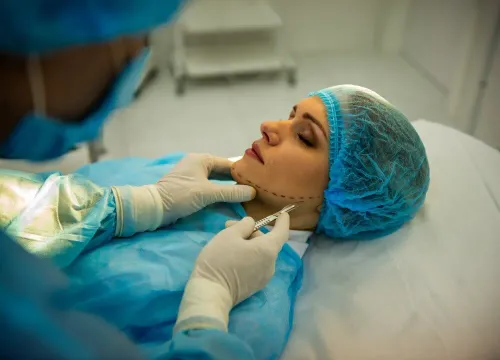
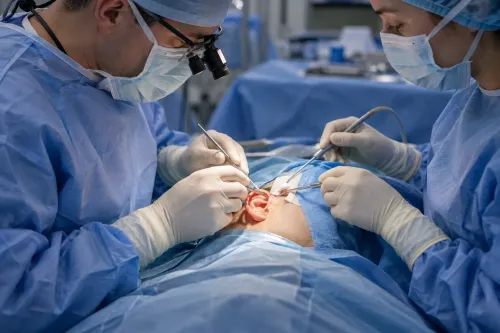
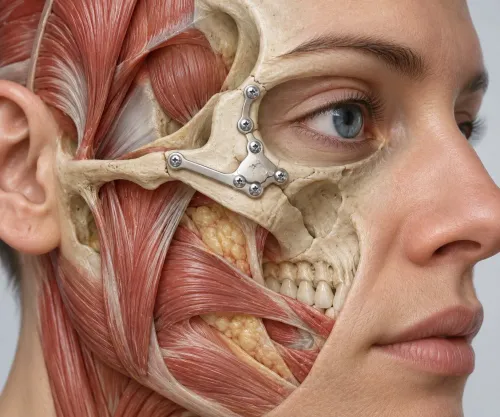
Reconstruction is justified when it restores function and protects healing, not merely when it improves appearance. After cancer surgery in Chennai, the choice depends on the defect’s size, depth and location, exposed bone or vessels, and whether tissue must separate the mouth from the neck.
| Option | What it adds | Typical use |
|---|---|---|
| Primary closure | Fastest closure, least donor-site injury | Small, shallow defects with flexible surrounding tissue |
| Skin graft | Thin surface cover | Wounds with a healthy bed and limited depth |
| Local or regional flap | Nearby tissue with better bulk and blood supply | Larger defects or exposed bone, vessels or hardware |
| Microvascular free-tissue transfer | Tissue from another body site with its own blood supply | Extensive tongue, floor-of-mouth, throat or jaw defects |
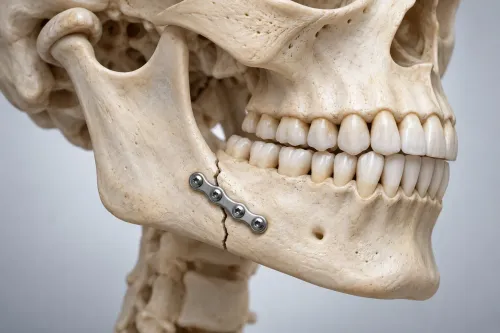
A jaw defect may need a bone-containing free flap to restore contour and chewing support; dental implants or other staged dental work can follow. Reconstruction adds operative time, donor-site pain, infection, fistula and a small possibility of flap failure. It can also improve speech, swallowing, chewing and wound protection.
Recovery may involve a tracheostomy, feeding tube, restricted diet and weeks or months of speech-language therapy. Radiotherapy can add mucositis, dry mouth, taste change, swallowing difficulty and dental damage. Do not arrange extractions without the oncology and dental teams.
- Obtain dental assessment before radiotherapy, continue oral hygiene and schedule long-term dental follow-up.
- Ask who will manage nutrition, pain control, speech and swallowing rehabilitation, and return-to-work planning.
- Confirm the neck plan as part of neck cancer care in Chennai; removal of the visible tumour alone is not complete care.
How to Judge a Chennai Treatment Plan Before You Commit
A worthwhile plan explains the entire route, not only the operation. Before choosing oral and head neck cancer treatment in Chennai, ask for written answers about diagnosis, staging, treatment, recovery and follow-up.
- What does the biopsy show, where exactly is the tumour, and what are the clinical and pathological stages?
- Who interpreted the CT, MRI or PET-CT, and what is the neck plan: observation, sentinel-node assessment or neck dissection?
- What is the treatment sequence, expected hospital stay, feeding-tube or tracheostomy likelihood, and provider-specific complication rate?
- When will final pathology be available, who will review it with you, and what happens if margins, lymph nodes or extranodal extension are positive?
- Who coordinates surgery, radiotherapy, medical oncology, nutrition, speech and swallowing therapy, dental care and surveillance?
Compare providers using the same questions.
| Provider or pathway | What to compare | Warning sign |
|---|---|---|
| Complete cancer pathway | Stage-specific outcomes, rehabilitation access, follow-up and likely additional treatment | Broad cure claims without site or stage |
| Single-procedure quote | Operation cost, hospital stay and possible repeat surgery | The quote excludes radiotherapy, reconstruction or complications |
| Second opinion | Review of your actual biopsy, scans and stage | A generic alternative without reviewing records |
Ask any head and neck cancer specialist in Chennai for outcomes matched to your site, stage, pathology, tobacco exposure, other illnesses and treatment completion. The Face Clinic may be relevant when you need one discussion covering surgery, reconstruction and functional recovery.
Include travel, time away from work, repeat-operation risk and follow-up access in the total cost. Effective neck cancer care in Chennai is coordinated care, not the cheapest isolated procedure.
Related services
We provide comprehensive oncologic surgery for tumours and malignancies affecting the face, oral cavity, jaws, and neck without damaging the... View service → |
Salivary Gland & Jaw Pathology Management We treat a wide spectrum of benign and malignant lesions involving the salivary glands, maxilla, mandible, and associated soft tissues. View service → |
Frequently asked questions
What makes head and neck cancer treatment worth pursuing?
Treatment is worth pursuing when it offers a credible chance of controlling the tumour while addressing breathing, speech, swallowing, chewing, appearance and quality of life. Ask how rehabilitation and long-term support will manage treatment-related functional loss.
How do diagnosis and cancer stage affect treatment choices?
Your treatment depends on the tumour’s location, size, spread to lymph nodes or distant organs, tissue diagnosis and overall health. Early cancers may need one main treatment, while advanced cancers often require combinations such as surgery with radiotherapy or drug treatment.
How do you compare surgery, radiotherapy and drug treatment?
Compare each option by its chance of controlling the cancer, immediate risks, effects on speech and swallowing, recovery time, side effects and need for later treatment. The appropriate choice depends on the cancer site, stage and your treatment goals.
What do reconstruction and rehabilitation add to recovery?
Reconstruction can restore tissue, facial structure or separation between the mouth and neck after cancer surgery. Rehabilitation may include speech therapy, swallowing exercises, nutritional support, dental care and treatment for shoulder or jaw problems.
How should you assess a Chennai cancer treatment plan before committing?
Ask for the confirmed diagnosis, stage, treatment objective, alternatives, expected functional effects, complication rates, recovery timeline and rehabilitation plan. Confirm which specialists will coordinate surgery, radiotherapy, drug treatment, reconstruction and follow-up.
Related service
Facial Reconstruction & Corrective Jaw Surgery Facial reconstruction is crucial for patients with congenital deformities, trauma, or disease related tissue loss. View service → |
Keywords