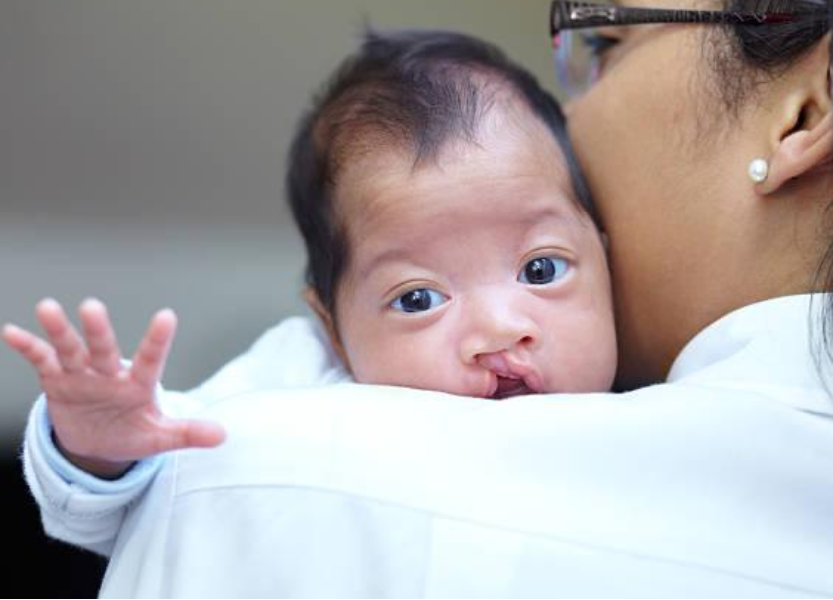
When a baby or child has a congenital difference affecting the skull or face, parents often face several questions at once. They want to understand the diagnosis, whether surgery is necessary, when treatment should occur and how the condition could affect growth, feeding, breathing, speech or appearance.
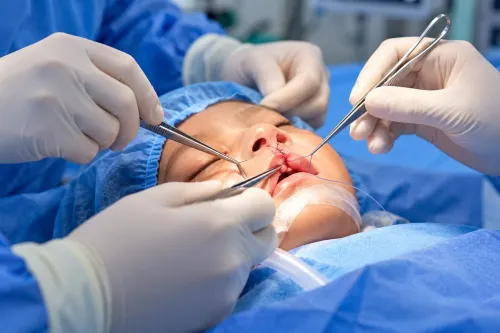
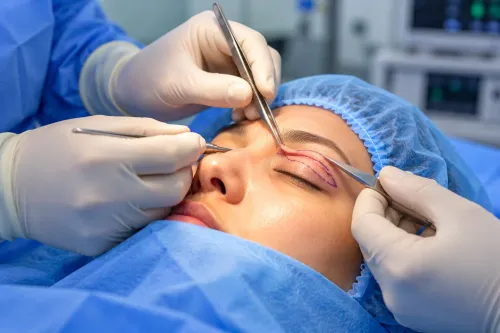
Pediatric craniofacial surgery for birth defects covers a range of conditions rather than one operation. Treatment may involve congenital abnormalities affecting the skull, jaws, facial bones, soft tissues or related structures.
For families in Pallavaram and the wider Chennai region, selecting care begins with understanding the child's specific condition and the objectives of treatment.
Why an Exact Diagnosis Comes First
Craniofacial differences vary substantially in severity and functional impact.
Some primarily affect appearance, while others can influence important functions or normal development. Depending on the suspected condition, assessment may involve physical examination, imaging and input from different specialties.
In certain congenital disorders, genetic assessment may also be relevant.
Parents should receive a clear explanation of what has been diagnosed before discussing an operative plan.
Ask What Surgery Is Intended to Achieve
The purpose of craniofacial surgery differs according to the condition.
Possible objectives can include:
- Correcting an anatomical abnormality
- Supporting functional development
- Protecting important structures
- Improving facial symmetry
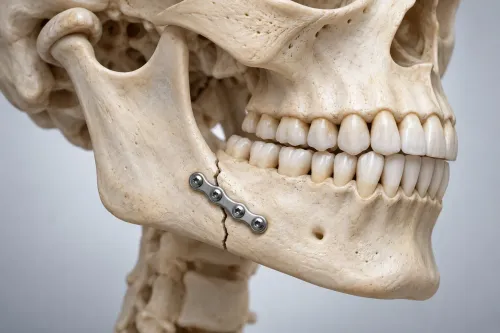
- Addressing jaw or skeletal relationships
- Reconstructing missing or abnormal tissue
- Supporting future growth and development
Understanding the objective helps parents evaluate why surgery is being recommended and what it can realistically accomplish.
Timing Can Be Part of the Treatment Strategy
Parents frequently ask why surgery is recommended at a particular age.
Timing may be influenced by the child's growth, development, anatomy, functional needs and the nature of the congenital condition. Some procedures are performed relatively early, while others may be deliberately delayed until later stages of facial growth.
Complex conditions can require staged treatment rather than a single operation.
A long-term treatment roadmap can therefore be more useful than focusing only on the next procedure.
Look for Attention to Function as Well as Appearance
Craniofacial surgery is not purely cosmetic.
Depending on the condition, treatment discussions may need to consider breathing, feeding, chewing, speech, hearing, vision, dental development or jaw function.
The relative importance of these issues varies from child to child.
Parents should ask how the proposed surgery relates to both appearance and functional development.
Understand the Reconstructive Plan
Reconstruction can involve bone and soft-tissue techniques chosen according to the defect. The surgeon should be able to explain the planned approach in understandable terms, including expected recovery and potential need for future procedures.
Parents can also ask how growth may influence the surgical result over time.
Important Questions When Selecting a Surgical Team
Before proceeding, families may find it useful to ask:
- What is the exact diagnosis?
- Why is surgery recommended?
- What happens if treatment is delayed?
- Why is this age considered appropriate?
- What functional issues are being addressed?
- What are the important risks?
- How long is the expected recovery?
- Could additional procedures be required as the child grows?
- What follow-up will be needed?
A consultation should provide enough information for parents to understand the reasoning behind the treatment plan.
Long-Term Follow-Up Can Matter
Children continue to grow after craniofacial surgery. Changes in the skull, facial skeleton, teeth and soft tissues may need monitoring over time.
At The Face Clinic, facial plastic and reconstructive expertise can contribute to the evaluation of children requiring craniofacial assessment and surgical planning.
For families in Pallavaram, Chennai and elsewhere in Tamil Nadu, provider selection should be based on more than the availability of a particular procedure. A strong treatment plan explains the diagnosis, the reason for intervention, the timing, expected functional and reconstructive goals, and how the child's development will be followed after treatment.
Keywords