Snoring, morning headaches and daytime sleepiness do not by themselves show that an operation will solve your breathing problem. You will be able to judge whether surgery is worth discussing by confirming the type and severity of apnea, comparing non-surgical treatments, matching the operation to the obstruction and planning objective follow-up.
Key takeaways
- Confirm obstructive sleep apnea with a sleep study before considering surgery.
- Choose surgery when CPAP fails, is intolerable, or cannot correct the obstruction.
- Match the operation to the airway sites causing blockage during sleep.
- Judge success by sleep-study results, symptoms, safety, and long-term follow-up.
Has a sleep study shown that surgery is treating the right problem?
Before considering sleep apnea surgery for adults in Chennai, confirm that obstructive sleep apnea is the problem rather than assuming snoring or sleepiness comes from a surgically correctable blockage. Use overnight polysomnography or, for a suitable uncomplicated adult, a validated home sleep-apnea test.
- Check the apnea-hypopnea index (AHI), which counts breathing interruptions per hour, alongside oxygen desaturation: how often and how far oxygen levels fall.
- Confirm that the report separates obstructive events from central events. Central sleep apnea involves pauses driven primarily by absent or unstable respiratory effort, not a collapsed throat. Throat, tongue or jaw surgery does not treat that mechanism.
- Match the findings with your symptom history, including loud snoring, witnessed pauses, gasping, morning headaches and daytime sleepiness.
- Review medical conditions such as heart or lung disease, neurological illness, obesity and medication use, then complete a physical examination.
The airway assessment should examine the nose, tonsils, soft palate, tongue base and jaw. It should identify whether blockage occurs at one level or several. Drug-induced sleep endoscopy (DISE) can reveal collapse during sedated sleep when the pattern remains uncertain, helping plan surgery; it cannot replace sleep testing or the awake examination.
A quiet snore after surgery is not proof that obstructive events or oxygen drops have resolved.
When is surgery more suitable than CPAP or another first treatment?
PAP is an effective initial treatment for many adults with obstructive sleep apnea. Surgery becomes more reasonable when you cannot tolerate CPAP or APAP, decline it, it fails because airway anatomy prevents adequate control, or you reject PAP after an informed discussion of alternatives.
| Option | Main role | When it may fit |
|---|---|---|
| CPAP or APAP | Keeps the airway open during sleep | First treatment for many adults |
| Oral appliance | Advances the lower jaw | Selected adults who cannot use PAP, especially with suitable jaw anatomy |
| Weight management | Reduces a modifiable contributor | Any adult with excess weight; weight change can alter OSA severity and surgical results |
| Positional therapy | Prevents back-sleeping | Position-dependent OSA |
| Nasal treatment | Improves nasal airflow or PAP tolerance | Blocked nose, turbinate enlargement or a deviated septum |
| Airway surgery | Changes obstructing anatomy | PAP intolerance, refusal or anatomy-related failure after assessment |
The American Academy of Sleep Medicine recommends discussing sleep-surgeon referral when an adult cannot tolerate or accept PAP, and bariatric-surgery referral when OSA coexists with a BMI of 35 or higher. Neither recommendation makes surgery automatic.
Selection depends on BMI, neck anatomy, enlarged tonsils, nasal blockage, tongue position, palate shape, jaw size, age, cardiovascular or respiratory disease and anaesthesia risk. Weight-management counselling remains relevant even after an operation.
For OSA treatment in Chennai, ask whether the plan includes:
- Review of PAP data, oral-appliance use, positional therapy and nasal treatment
- Airway examination and discussion of residual OSA
- Sleep-medicine and anaesthesia input when needed
Sleep apnea surgery for adults in Chennai is suitable only when the expected anatomical benefit outweighs these alternatives and operative risks.
Which operation matches the level and pattern of airway obstruction?
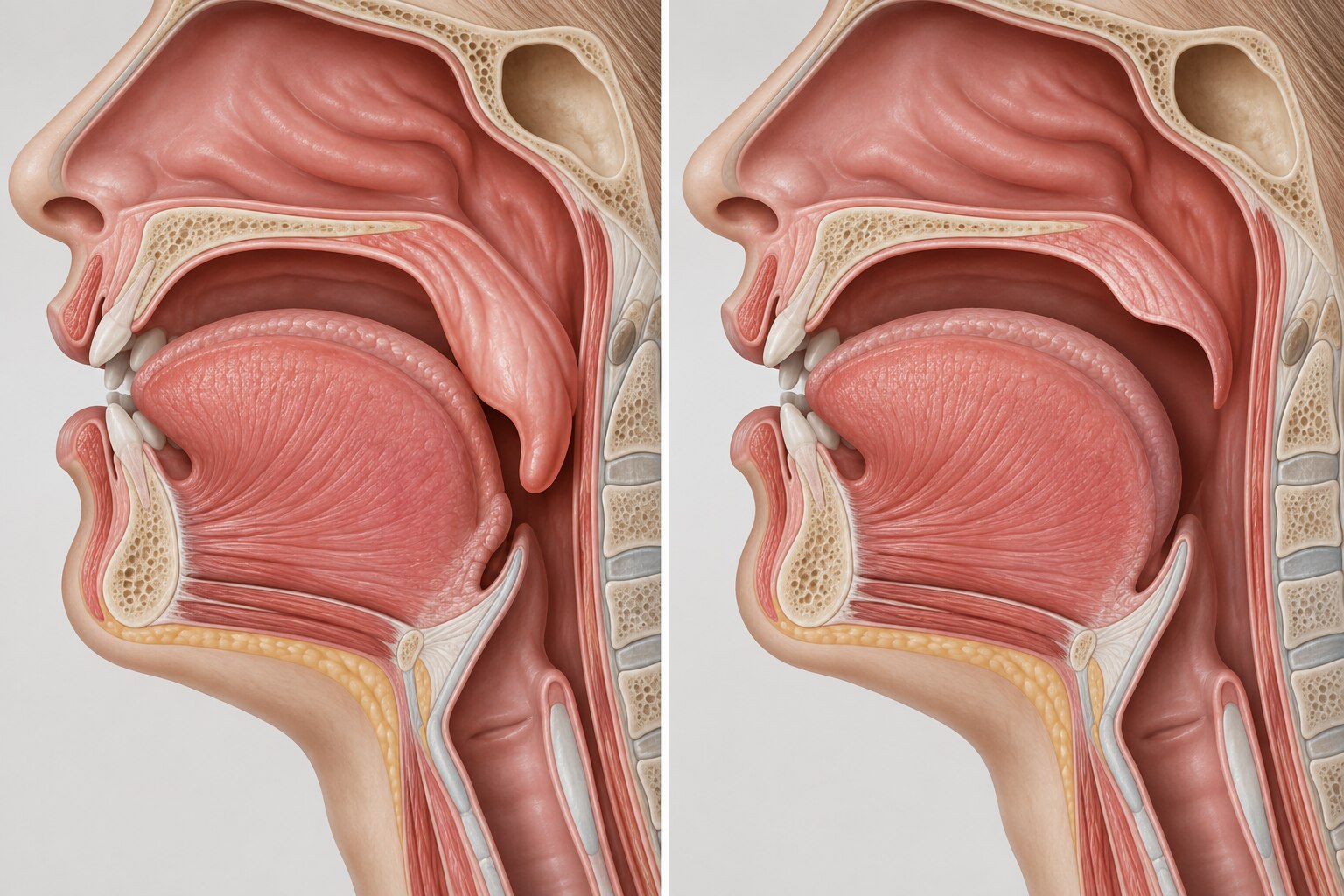
The operation must match the airway level that collapses, not simply the loudness of snoring or the AHI.
| Option | Anatomy changed | When it applies |
|---|---|---|
| Tonsillectomy | Removes enlarged tonsils narrowing the throat | Substantially enlarged tonsils |
| UPPP | Reshapes or removes obstructing soft-palate and throat tissue | Palatal or lateral throat collapse |
| Genioglossus advancement | Moves the tongue-anchoring structure forward | Tongue-base obstruction |
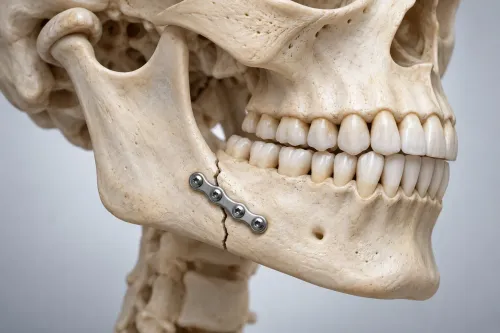
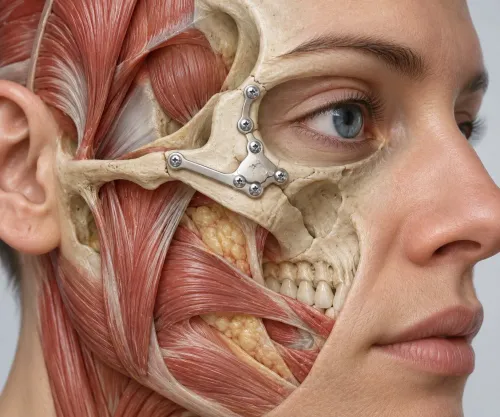
| Maxillomandibular advancement | Moves the upper and lower jaws forward, enlarging the skeletal airway | Craniofacial restriction or persistent moderate-to-severe OSA |
| Nasal surgery | Opens the nasal passage | Nasal obstruction, poor nasal PAP tolerance, or high pressure requirements |
Isolated UPPP has variable results because collapse can occur at the nose, palate, tongue base and jaw-related airway rather than at the palate alone. A quieter bedroom after UPPP does not prove that obstructive sleep apnea has resolved.
Drug-induced sleep endoscopy (DISE) shows where the airway closes during sleep, helping the team choose one operation for a single-level problem or combined treatment for multilevel collapse.
Hypoglossal-nerve stimulation suits a narrow group of adults with moderate-to-severe OSA who cannot use PAP. Eligibility depends on the AHI range, BMI limit, DISE findings such as absence of complete concentric palatal collapse, and current device regulations.
Maxillomandibular advancement is more invasive than soft-tissue surgery and requires coordinated dental, orthodontic, maxillofacial and sleep assessment. For anyone comparing obstructive sleep apnea surgery in Chennai, nasal surgery should usually be viewed as a breathing or PAP-tolerance aid, not a stand-alone cure for moderate or severe OSA.
What counts as a successful operation, and what risks remain afterward?
Success has several separate endpoints: less snoring, better daytime alertness, a lower apnea-hypopnea index (AHI), improved oxygen levels and no longer needing CPAP are not interchangeable. A sleep apnea operation for adults can reduce obstructive sleep apnea without eliminating it; a quieter bedroom does not prove normal breathing.
Arrange repeat sleep testing after surgery, particularly after multilevel or jaw surgery, after moderate or severe OSA, or when symptoms continue. The test shows whether residual obstruction remains and whether PAP is still necessary.
Throat surgery can cause bleeding, infection, swallowing difficulty or voice changes. Maxillomandibular advancement can leave facial numbness or altered teeth and bite, and carries risks of infection, bleeding and relapse. Nasal procedures can leave nasal symptoms unresolved because they do not remove collapse deeper in the airway.
Before the operation, confirm these points with your team:
- Tell the anaesthetist that you have OSA and provide the sleep-study report.
- Review current CPAP or APAP use, mask tolerance and pressure settings.
- Ask whether opioid-sparing pain control is appropriate; opioids can worsen airway obstruction and respiratory depression.
- Agree on postoperative observation based on your OSA severity, other illnesses and procedure.
- Get written instructions for restarting PAP, or for airway support if PAP cannot be used immediately.
- Set the date and type of postoperative sleep test before discharge.
How should you choose a sleep-apnea surgical assessment in Chennai?
Choose a sleep apnea surgeon near me by the quality of the assessment, not by distance or one advertised operation. Before discussing surgery, ask for:
- A documented polysomnography or validated home sleep-apnea test report confirming obstructive, not central, events, with AHI, oxygen-desaturation results and symptoms.
- An awake ENT and airway examination covering the nose, palate, tonsils, tongue base and jaw.
- Review of CPAP or APAP, oral-appliance use, weight, positional therapy and nasal treatment.
- A clear explanation of the obstruction’s anatomical level and whether drug-induced sleep endoscopy (DISE) is needed.
- Named input from sleep medicine, anaesthesia, maxillofacial, dental or orthodontic specialists when the case requires it.
- Expected AHI and symptom changes, the chance of residual OSA, and the date and type of postoperative sleep test.
| Option | What the assessment should clarify | Why it matters |
|---|---|---|
| Soft-palate or tonsil surgery | Whether collapse is concentrated at the throat | Isolated surgery can disappoint when obstruction is multilevel |
| Jaw advancement | Jaw size, bite, dental health and skeletal airway | It requires coordinated maxillofacial and orthodontic planning |
| Nasal treatment | Whether blockage limits breathing or PAP use | It usually supports OSA treatment rather than curing moderate or severe OSA |
The Face Clinic illustrates why a head-and-neck and maxillofacial setting can help when airway findings, jaw anatomy and surgical planning overlap. The right centre documents the diagnosis, compares alternatives and schedules follow-up.
Related service
Obstructive Sleep Apnea (OSA) Surgery OSA is a condition where airflow is repeatedly blocked during sleep, often due to jaw or soft tissue structure issues. View service → |
Frequently asked questions
How do I know whether sleep apnea surgery is treating the right problem?
Confirm obstructive sleep apnea with overnight polysomnography or, for a suitable uncomplicated adult, a validated home sleep-apnea test. A clinical examination and airway assessment then identify whether physical obstruction contributes to the result.
When is surgery more suitable than CPAP for an adult with sleep apnea?
CPAP is usually considered first for confirmed obstructive sleep apnea. Surgery becomes more suitable when CPAP fails, remains intolerable despite troubleshooting, or an identifiable anatomical obstruction requires correction. Your clinician should compare alternatives such as an oral appliance, weight management, positional treatment, or nerve stimulation when appropriate.
Which operations can treat obstructive sleep apnea?
The operation depends on where the airway collapses. Options can include nasal surgery for significant nasal obstruction, tonsillectomy, palatal procedures, tongue-base treatment, maxillomandibular advancement, or combined surgery. Drug-induced sleep endoscopy and examination help map the obstruction before choosing a procedure.
What counts as a successful sleep apnea operation?
Success includes fewer breathing pauses on a follow-up sleep study, improved oxygen levels, less daytime sleepiness, better sleep quality, and safe healing. Surgery does not guarantee a cure; residual apnea, bleeding, infection, swallowing changes, voice changes, pain, or the later need for CPAP can remain.
How should I choose a sleep apnea surgical assessment in Chennai?
Choose an assessment that reviews your sleep-study report, medical history, CPAP experience, weight and nasal or throat examination, and the exact obstruction sites. Ask which operation is proposed, what alternatives exist, how results will be measured, what risks apply, and when follow-up sleep testing will occur.
Keywords