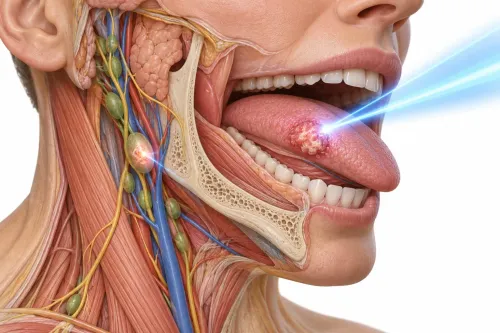
Human papillomavirus has changed how clinicians understand some cancers of the throat. Certain high-risk HPV types are associated with cancers arising in the oropharynx, an area that includes the tonsils and base of the tongue.
For patients in Tambaram and the wider Chennai region, learning about HPV-related oropharyngeal cancer treatment can clarify why diagnosis, HPV-related testing and staging all matter before a treatment plan is selected.
What Makes Oropharyngeal Cancer Different
The oropharynx is located behind the mouth. Tumors in this region can sometimes remain relatively inconspicuous initially.
Some patients first notice a persistent lump in the neck rather than a visible throat lesion. Other possible symptoms include persistent throat discomfort, swallowing difficulty, one-sided ear pain or changes around the tonsillar area.
None of these symptoms confirms cancer on its own.
How HPV Status Is Evaluated
When oropharyngeal squamous cell carcinoma is diagnosed, pathology can provide information related to HPV association. In clinical practice, specific pathological tests may be used according to established protocols.
This distinction matters because HPV-associated and non-HPV-associated oropharyngeal cancers can have different biological characteristics and staging considerations.
HPV status is therefore part of understanding the disease, but it does not replace assessment of tumor size, lymph nodes, general health and other relevant factors.
What Treatment Options Are Available
Treatment is individualized according to the tumor's site, stage and accessibility as well as patient-specific considerations.
Options may include:
- Radiotherapy
- Surgery in appropriately selected cases
- Chemotherapy with radiotherapy in certain situations
- Systemic treatments for particular advanced or recurrent disease
- Rehabilitation and supportive care
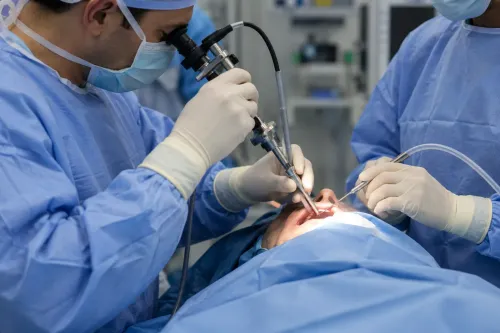
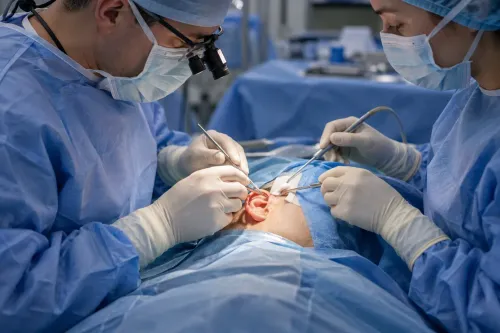
Some appropriately selected tumors may be accessible through the mouth using minimally invasive surgical approaches. Other cancers are better treated using non-surgical strategies.
The existence of newer technology does not automatically make one method preferable for every patient.
Why Swallowing Function Matters
The oropharynx plays an important role in swallowing. Treatment planning therefore considers both disease management and the potential impact of therapy on function.
Patients may need nutritional assessment, swallowing evaluation or speech and swallowing rehabilitation during their treatment journey.
Dental assessment can also be relevant, particularly when radiotherapy to the head and neck is planned.
Questions Patients Can Ask During Consultation
A diagnosis often brings unfamiliar terminology. A few focused questions can make treatment discussions easier to understand:
- Where exactly is the primary tumor?
- Has the cancer spread to lymph nodes?
- What is the HPV-related status of the tumor?
- What treatment approaches are appropriate for this stage?
- How could treatment affect swallowing or speech?
- Will rehabilitation or nutritional support be needed?
- What follow-up will be required after treatment?
The answers should relate to the patient's actual pathology and staging rather than generalized expectations.
HPV Association Should Be Discussed Without Stigma
HPV is a widespread virus, and an HPV-associated cancer diagnosis should be approached as a medical issue. The clinically relevant focus is understanding the tumor and selecting appropriate treatment.
At The Face Clinic, evaluation of head and neck cancers is based on clinical examination, pathology, imaging and individual treatment requirements.
For people in Tambaram, Chennai and surrounding areas of Tamil Nadu, an HPV-related oropharyngeal cancer diagnosis requires a structured discussion of disease stage and available treatment approaches. Understanding why a particular option is being recommended can help patients and families participate more confidently in treatment decisions while keeping functional considerations such as swallowing and speech in view.
Keywords