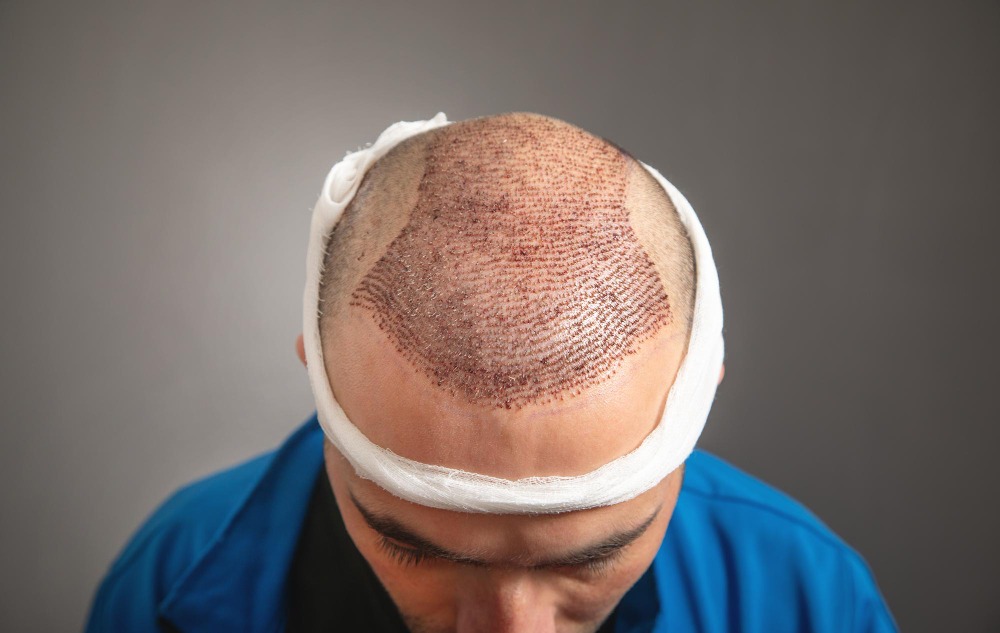
Hair transplantation can redistribute permanent donor follicles into areas affected by hair loss, but having thinning hair does not automatically make someone ready for surgery.
The most important step before hair restoration surgery for permanent hair loss is determining why the hair is thinning and whether transplantation is appropriate for the pattern.
For people in Velachery, Chennai, a structured pre-surgical assessment can prevent decisions based solely on photographs, graft numbers or package descriptions.
Readiness Indicator 1 Your Hair Loss Has Been Properly Evaluated
Different conditions cause hair loss.
Androgenetic hair loss is a common reason people consider transplantation, but shedding may also be associated with nutritional factors, medications, illness, stress-related cycles, inflammatory scalp disorders or other medical causes.
A transplant does not treat every cause.
If active or reversible hair loss is responsible for much of the thinning, medical evaluation may need to come before surgical planning.
Readiness Indicator 2 Your Donor Area Is Suitable
Transplantation depends on donor follicles.
The surgeon evaluates the density and quality of hair in areas expected to remain relatively stable. Donor capacity is finite, which makes long-term management particularly important for younger patients or people with extensive hair loss.
A responsible plan should consider not only the current bald area but what may happen if existing non-transplanted hair continues to thin.
Readiness Indicator 3 Your Expectations Match What Surgery Can Achieve
Hair transplantation redistributes hair. It cannot recreate the density of an entire unaffected scalp when donor supply is limited.
The visual result also depends on hair calibre, curl, colour contrast, recipient area size and graft distribution.
Patients are better prepared when they understand the difference between creating cosmetic coverage and restoring original adolescent density.
Readiness Indicator 4 You Have Discussed Future Hair Loss
One of the most important questions is what happens around the transplanted hair in future.
Transplanted follicles selected from appropriate donor areas may be relatively resistant to the process affecting androgenetic hair loss, but existing native hair can continue to thin.
Long-term planning may therefore involve medical management when clinically appropriate, future reassessment or preserving donor reserves.
Readiness Indicator 5 The Hairline Has Been Planned for the Long Term
A natural hairline should fit the patient's face today without looking inappropriate years later.
Very low or aggressively dense hairlines can consume valuable grafts. A more conservative design may provide a better balance between appearance and available donor supply.
Patients should be able to review and discuss the proposed design before surgery.
Readiness Indicator 6 You Understand the Recovery Process
Transplantation requires postoperative care.
Temporary crusting, redness and shedding of transplanted hair shafts can occur. New growth develops gradually rather than immediately, and the appearance changes over subsequent months.
Understanding this timeline helps prevent unrealistic expectations during early recovery.
Choosing a Hair Restoration Provider
Look beyond advertised graft counts. Ask how the cause of hair loss is assessed, who plans the procedure, how donor density is evaluated, who performs surgical steps and how complications or follow-up concerns are handled.
The Face Clinic provides hair restoration assessment within its facial aesthetic and reconstructive practice, allowing surgical suitability to be considered alongside individual anatomy and appearance goals.
For patients in Velachery and the broader Chennai region of Tamil Nadu, readiness for hair transplantation is best defined by diagnosis, adequate donor resources, realistic expectations and a sustainable plan. When those elements are established first, the choice of surgical technique becomes part of a much clearer decision.
Keywords