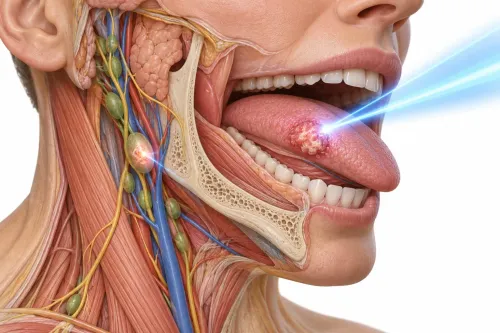
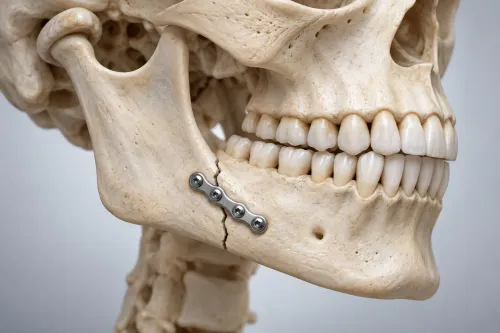
Head and neck cancers can develop in areas such as the mouth, tongue, throat, voice box, nose, sinuses and salivary glands. Some early symptoms resemble common dental, throat or respiratory problems, which is one reason persistent changes should not be ignored.
For people in Kovilambakkam and surrounding parts of Chennai, Tamil Nadu, understanding the warning signs can support earlier medical evaluation. Early detection of head and neck cancer does not depend on one symptom alone. Doctors consider how long a problem has been present, its location, associated risk factors and findings during clinical examination.
Symptoms That May Need Evaluation
Many symptoms associated with head and neck cancer can also occur because of non-cancerous conditions. However, medical assessment becomes important when a symptom persists, repeatedly returns or progressively worsens.
Changes that may warrant attention include:
- A mouth ulcer that does not heal
- A red or white patch inside the mouth
- Persistent throat discomfort
- Difficulty or pain while swallowing
- Unexplained hoarseness or voice change
- A lump in the neck
- Unexplained bleeding from the mouth or nose
- Persistent one-sided ear pain
- Difficulty moving the tongue or jaw
- Unexplained weight loss
The presence of one of these symptoms does not establish a cancer diagnosis. It indicates that the underlying cause may need to be identified.
Why Duration of Symptoms Matters
Minor mouth ulcers, throat infections and temporary voice changes often improve within a reasonable period. A symptom that continues despite routine care deserves closer evaluation.
For example, persistent hoarseness may result from inflammation, vocal strain, reflux or several other conditions. It can also occasionally be associated with abnormalities involving the larynx. Similarly, a neck swelling may be related to infection, thyroid disease, lymph nodes, salivary glands or other causes.
This is why persistent symptoms are better evaluated clinically rather than interpreted in isolation.
What Happens During Head and Neck Evaluation
Assessment usually begins with a detailed medical history. The doctor may ask about when symptoms started, tobacco and alcohol exposure, previous illnesses, occupational factors, swallowing difficulties, voice changes and unexplained weight changes.
The mouth, tongue, throat, neck and other relevant areas may then be examined.
Depending on the findings, further evaluation can include endoscopy, imaging or tissue sampling. A biopsy allows suspicious tissue to be examined under a microscope and is often important for confirming or excluding cancer.
Not every patient requires every investigation. Testing is selected according to the location and nature of the abnormality.
Risk Factors Are Only Part of the Picture
Tobacco use, including smoking and smokeless tobacco, is an important risk factor for several head and neck cancers. Alcohol consumption can also contribute to risk, particularly when combined with tobacco exposure.
Certain cancers of the oropharynx are associated with human papillomavirus, or HPV. Other factors can vary according to the specific cancer site.
Importantly, someone without obvious traditional risk factors can still develop a head and neck condition requiring assessment. Symptoms should therefore be evaluated based on clinical findings rather than assumptions about personal risk.
When Persistent Changes Should Not Be Delayed
A practical approach is to pay attention to changes that are unusual for you and do not resolve as expected. Repeated self-treatment of a persistent mouth lesion, neck lump or voice change can delay identification of the actual cause.
At The Face Clinic, patients with persistent head and neck symptoms can undergo specialist assessment to determine whether additional investigation is appropriate.
For residents of Kovilambakkam, timely evaluation in Chennai can help distinguish common benign conditions from abnormalities that require further investigation or treatment. Early assessment does not mean assuming the worst. It means obtaining enough clinical information to understand what is causing the symptom and deciding the appropriate next step.
Keywords