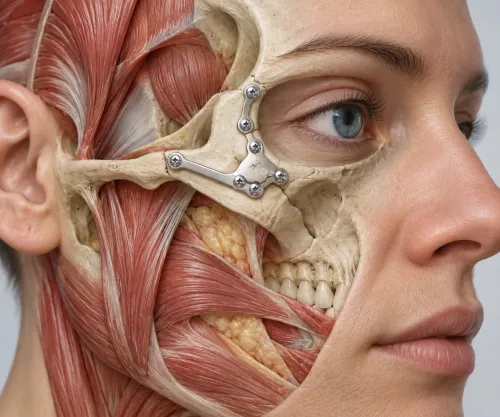
Congenital craniofacial abnormalities are conditions present at birth that affect the growth and development of the skull, face, or jaw. These conditions can range from mild structural differences to complex abnormalities that influence appearance, breathing, feeding, speech, hearing, and overall development. Advances in craniofacial reconstruction surgery have significantly improved outcomes, helping children achieve better function and quality of life.
Parents often feel overwhelmed when a craniofacial condition is diagnosed. Understanding available treatment options and the goals of reconstructive surgery can help families make informed decisions throughout the treatment journey.
Craniofacial abnormalities may include conditions such as:
- Craniosynostosis
- Cleft lip and palate
- Facial asymmetry
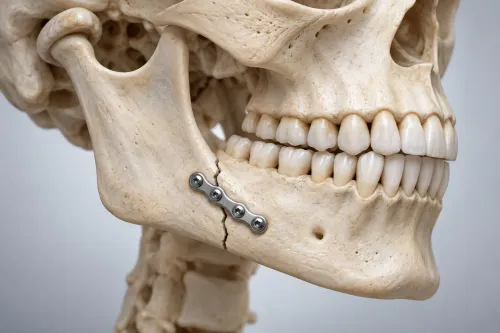
- Jaw developmental abnormalities
- Congenital facial clefts
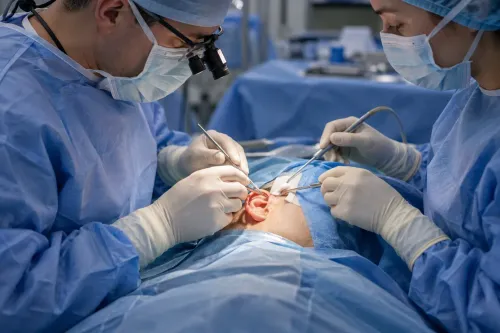
- Ear and orbital developmental conditions
The primary objective of craniofacial reconstruction is not solely cosmetic improvement. Treatment focuses on restoring function, supporting normal development, and addressing structural concerns that may affect a child's health and daily activities.
Many children benefit from multidisciplinary care involving:
- Craniofacial surgeons
- Pediatric specialists
- Speech therapists
- Orthodontists
- Audiologists
- Psychologists
- Rehabilitation professionals
This collaborative approach helps address both medical and developmental needs throughout childhood.
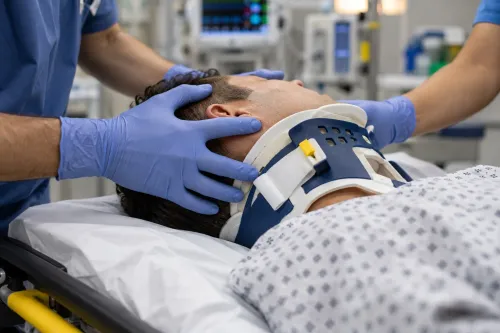
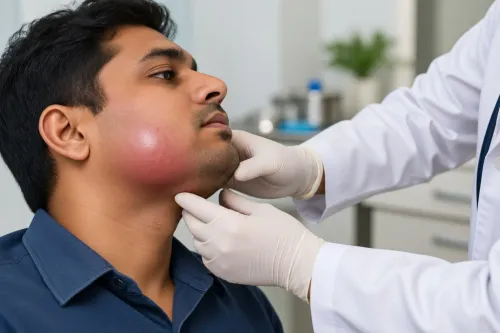
Treatment planning begins with a detailed assessment. Specialists evaluate facial anatomy, growth patterns, imaging studies, and functional concerns before recommending a personalized treatment strategy.
Depending on the condition, surgery may help:
Improve Skull Development
Certain procedures create adequate space for normal brain growth and development.
Restore Facial Symmetry
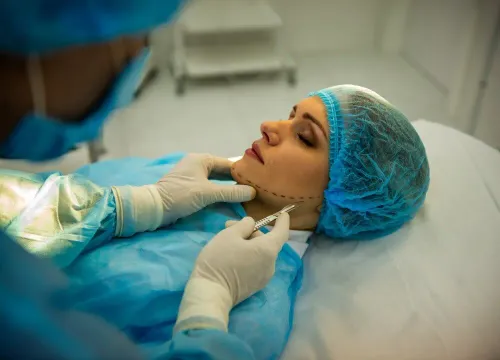
Reconstructive techniques can improve balance and alignment of facial structures.
Support Breathing and Feeding
Structural correction may enhance essential functions that affect daily life.
Facilitate Speech Development
Some procedures help improve oral and facial function associated with speech production.
One important aspect of craniofacial care is timing. Certain surgeries are performed during infancy, while others may be scheduled later in childhood to coincide with growth and developmental milestones.
Parents frequently worry about the long-term outlook. While every condition is unique, advances in surgical techniques, imaging technology, and multidisciplinary care have significantly improved outcomes for many children.
Beyond physical reconstruction, emotional and social well-being are also important considerations. Ongoing support helps children and families navigate developmental, educational, and psychosocial challenges that may arise.
Across Chennai and Tamil Nadu, awareness regarding early diagnosis and specialized craniofacial care has increased. Earlier intervention often allows healthcare teams to address functional concerns before they affect long-term development.
The Face Clinic in Tambaram, Chennai, evaluates children and families seeking guidance regarding congenital facial abnormalities and reconstructive treatment options. Individualized assessment helps determine appropriate management strategies based on each child's specific condition and developmental needs.
Craniofacial reconstruction is often a journey rather than a single procedure. With careful planning, specialized expertise, and long-term support, many children can achieve meaningful functional improvements and grow with greater confidence as they reach adulthood.
Keywords