A road crash can combine facial fractures with airway obstruction, neck injury, eye damage or traumatic brain injury, and monsoon conditions can slow safe transport. You will learn what to do at the scene, which symptoms need 108 or an emergency department, how doctors investigate injuries, and how to choose and prepare for specialist follow-up in Chennai.
Key takeaways
- Call Tamil Nadu 108 immediately for airway trouble, severe bleeding or altered consciousness.
- Do not remove embedded objects or force a displaced jaw back into place.
- Unequal pupils, vision loss, confusion or clear ear fluid require urgent assessment.
- Keep wounds covered and attend scheduled reviews to detect infection or poor healing.
What to do in the first minutes after a monsoon road crash
Call Tamil Nadu’s 108 ambulance immediately for airway difficulty, uncontrolled bleeding, shock, loss of consciousness, seizure, confusion, repeated vomiting, worsening headache, unequal pupils, vision loss, clear fluid from the nose or ear, spreading numbness or neck instability. Do not wait for rain to stop.
- Keep the person still and protect the cervical spine. Do not bend or twist the neck, remove a wet helmet, or let the injured person drive or travel by motorcycle.
- Cover wounds with clean material. Apply firm pressure to bleeding areas, but press around—not onto—a suspected eye injury. Support a displaced jaw without trying to realign it.
- Do not remove glass, metal or another embedded object. Give no food or drink when surgery or anaesthesia may be needed.
If none of those red flags is present but there is facial pain, swelling, a cut, loose teeth, a changed bite, difficulty opening the mouth or persistent numbness, attend the nearest emergency department promptly.
Rain, slippery roads, standing water, poor visibility, wet helmets and rainwear do not make facial trauma less urgent; they make unsafe self-transport more dangerous.
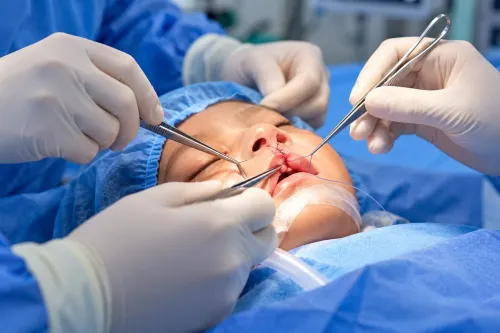
Emergency clinicians stabilise breathing, circulation, consciousness and the neck before arranging specialist review. After stabilisation, maxillofacial assessment determines whether wounds, teeth, the jaw, eye socket or facial bones need treatment.
Facial trauma care after road accident in Chennai and head and neck trauma management in Chennai must prioritise hidden brain, eye and airway injuries over cosmetic repair.
How clinicians find injuries that a visible cut can hide
A visible cut does not show the injury’s depth. Facial injury treatment in Chennai starts with trauma priorities, because a wound can coexist with brain, neck, chest or hidden bleeding.
1. Clinicians secure the airway, assess breathing and oxygenation, check circulation and bleeding, record consciousness, and protect the cervical spine when the crash or examination suggests risk. They look for confusion, vomiting, seizure, worsening headache, unequal pupils or other signs of brain injury.
2. They then examine vision, pupils, eye movements and eye position. They measure intraocular pressure when indicated, especially with severe pain, proptosis or suspected orbital compartment syndrome.
3. They check bite alignment, jaw opening, facial sensation, teeth, gums, soft-tissue wounds and facial-nerve function. A nasal fracture causes tenderness or deformity over the bridge; a zygomaticomaxillary complex fracture causes cheek flattening, facial numbness or limited opening; an orbital-floor fracture causes double vision or restricted upward gaze.
4. Mandible or maxillary fractures produce a changed bite, mobility, a step in tooth-bearing bone, trismus or numbness. A loose tooth or alveolar fracture involves tooth-bearing bone, while a laceration may injure skin, muscle, ducts or nerves without breaking bone.
5. Non-contrast CT of the head and maxillofacial bones shows fractures, displacement, the orbit, sinuses and skull base. CT of the cervical spine is added when indicated; thin-slice orbital CT clarifies socket injury, and dental imaging evaluates teeth or alveolar bone.
6. Clinicians review tetanus history. Oral fractures communicate with mouth bacteria, so dental assessment is essential for cleaning, tooth stabilisation and bite restoration.
When an eye-socket or jaw injury needs urgent treatment
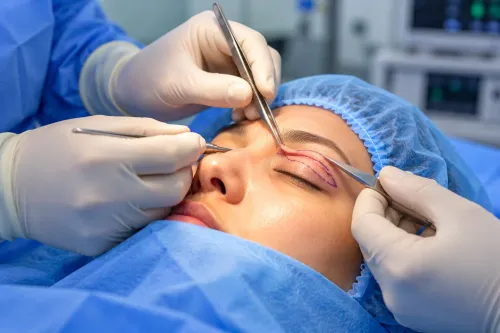
A fracture on CT is not automatically an emergency operation. Double vision, restricted eye movement, a sunken eye, numbness below the eye, or pain when looking upward can follow an orbital fracture; a small, stable fracture without functional symptoms may be observed after examination, swelling reduction and review.
Someone seeking an orbital trauma surgeon in Chennai should confirm access to visual-acuity, pupil, eye-movement and globe assessment, urgent CT and ophthalmology support.
Treat these findings as immediate eye threats:
- Reduced vision, a fixed or irregular pupil, severe eye pain, marked proptosis, tense eyelids or inability to move the eye
- Nausea or bradycardia triggered by eye movement, suspected open globe or orbital compartment syndrome
Vision-threatening orbital pressure needs urgent decompression, sometimes before definitive fracture repair. Do not wait for swelling to settle.
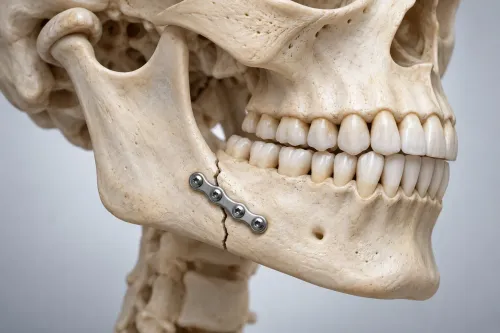
Jaw fracture treatment in Chennai must restore bone alignment and the bite. A changed bite, mobile segments, a step in the tooth-bearing bone, gum bleeding, trismus, loose teeth or lower-lip numbness needs review even when pain is modest.
| Option | What it means | When it applies |
|---|---|---|
| Observation and soft diet | Monitoring while limiting chewing | Stable fracture without functional change |
| Intermaxillary fixation | Holding upper and lower teeth together | Selected fractures with a reliable bite |
| Plates and screws | Directly stabilising bone segments | Displacement or mobility requiring fixation |
| Dental treatment | Managing injured teeth or alveolar bone | Tooth or tooth-bearing injury |
| Staged reconstruction | Repairing complex injuries in phases | Contamination, swelling or tissue loss |
These choices follow examination and scans; none replaces assessment.
How to choose a Chennai trauma service after emergency stabilisation
Airway compromise, major brain injury, shock, uncontrolled bleeding, neck instability and open-globe injury belong in resuscitation first, not a routine specialist appointment. Go to the nearest emergency department or call 108 if any is present; arrange specialist review after stabilisation when the patient is alert, breathing normally and circulation is controlled.
Compare facial injury treatment in Chennai against this checklist:
| Service feature | What to confirm | Why it matters |
|---|---|---|
| 24-hour emergency access | A clinician can assess the patient overnight | Monsoon delays should not postpone escalation |
| On-site CT | Head and facial-bone CT is available without transfer | Fractures and brain injury need prompt imaging |
| Thin-slice orbital imaging | Orbital CT shows the socket and fracture displacement | Vision-threatening injury can hide behind swelling |
| Specialist expertise | Oral and maxillofacial surgeon, including an orbital trauma surgeon in Chennai | Facial bones, jaws and soft tissue need coordinated decisions |
| Eye support | Ophthalmology or oculoplastic review | Visual acuity, pupils, eye movements and globe injury require direct assessment |
| Hospital backup | Anaesthesia, intensive care and admission access | Deterioration or urgent surgery needs immediate support |
| Dental care | Teeth, gums, bite and tooth-bearing bone are examined | Jaw fracture treatment in Chennai must restore occlusion |
| Follow-up | Reviews infection, bite, vision and appearance | Problems can emerge after swelling falls |
Ask who checks visual acuity and pupils, who manages dental injuries, and where admission or urgent escalation occurs. The Face Clinic can fit this pathway when a stable patient needs specialist head, neck, orbital, facial or jaw assessment after emergency care.
This is coordinated head and neck trauma management in Chennai, not a substitute for resuscitation.
Related services
Maxillofacial Trauma & Reconstruction Facial trauma, whether from road traAic accidents, industrial injuries, sports, or assault, requires timely and skillful intervention to restore both... View service → |
OCCULOPLASTY AND FACIAL PLASTIC SURGERIES HEAD AND NECK TRAUMA MANAGEMENT ₹500 head and neck trauma associated with orbital fracture surgeries, facial fracture surgeries, secondary post traumatic deformity surgeries associated... View service → |
What recovery, monsoon wound care and follow-up actually involve
Recovery starts with assessment, not wound closure: clinicians review swelling, bite, sensation, eye movement and vision, then repeat CT or dental imaging if swelling, symptoms or alignment changes. Admission may be needed for airway risk, bleeding, brain injury, infection or surgery.
Anaesthesia, restricted eating before and after an operation, plates or jaw fixation, dental treatment and several weeks of activity limits are possible.
Discharge follows stable breathing, pain control and a safe eating plan. Keep dressings dry; replace a wet dressing with clean supplies. Use prescribed mouth rinses, follow a soft or liquid diet, take medicines as directed, avoid smoking and do not blow your nose after an orbital or midface injury.
Return to work and driving only when vision, jaw movement, medication effects and concentration make them safe; heavy work and contact sports often wait several weeks.
Attend every review for bite, sensation, eye movement, vision, bone healing and scars. Residual asymmetry, restricted movement, dental problems or scar changes can require later revision surgery. Facial trauma care after a road accident in Chennai and facial injury treatment in Chennai should include a clear escalation plan.
- Accident time and mechanism, helmet use, loss of consciousness, medicines, allergies and tetanus history
- CT scans, dental images, discharge papers, police or insurance documents
- Injury photographs taken safely before swelling changes
Seek earlier review for redness, warmth, swelling, pus, fever, foul drainage or worsening pain. After discharge, new double vision, reduced vision, increasing sleepiness, vomiting or inability to open the mouth requires immediate emergency reassessment.
Frequently asked questions
When should you call 108 after a monsoon road accident?
Call Tamil Nadu’s 108 ambulance immediately for airway difficulty, uncontrolled bleeding, shock, loss of consciousness, seizure, confusion, repeated vomiting, worsening headache, unequal pupils, vision loss, clear fluid from the nose or ear, spreading numbness or neck instability. Do not wait for the rain to stop.
How can a clinician detect facial injuries hidden by a cut?
Clinicians assess your airway, consciousness, vision, eye movements, facial sensation, bite, jaw movement and neck stability. They may use X-rays or CT scans to identify fractures beneath swelling or wounds.
When does an eye-socket or jaw injury need urgent treatment?
Urgent treatment is needed for vision loss, double vision, a trapped or immobile eye, severe eye pain, facial numbness, an unstable bite, inability to open or close the mouth, heavy bleeding or breathing difficulty.
What does recovery involve after facial trauma treatment?
Recovery can involve wound cleaning, swelling and pain control, diet changes after jaw treatment, infection monitoring, and follow-up checks for vision, bite, facial movement and healing. Keep dressings clean and follow the treating team’s review schedule.
Related services
Facial Reconstruction & Corrective Jaw Surgery Facial reconstruction is crucial for patients with congenital deformities, trauma, or disease related tissue loss. View service → |
Our oculoplastic surgeons specialize in procedures involving the eye socket (orbit), eyelids, tear ducts, and adjacent face areas. View service → |
Keywords