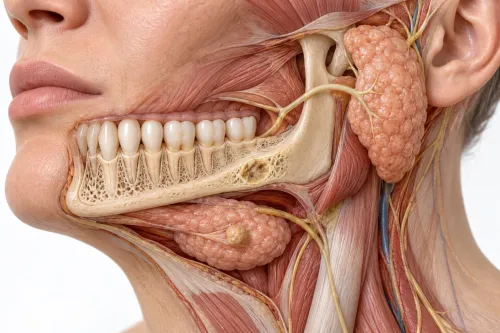
Most people experience a mouth ulcer at some point in their lives. These small sores can make eating, drinking, and speaking uncomfortable, but they usually heal on their own within one to two weeks. When a mouth ulcer does not heal, keeps returning, or gradually becomes larger, it should not be dismissed as a routine problem. In some cases, a non-healing mouth ulcer may be a sign of an underlying medical condition that requires prompt evaluation.
Understanding the possible causes and available treatment options can help you know when home care is enough and when it's time to seek professional advice.
What Is a Non-Healing Mouth Ulcer?
A mouth ulcer is an open sore that develops on the tongue, gums, inner cheeks, lips, or the floor of the mouth. While minor ulcers are common and often harmless, an ulcer that persists for more than two weeks without showing signs of healing is considered non-healing.
Such ulcers may remain painful, become painless over time, bleed occasionally, or develop raised or hardened edges. Any of these changes should be assessed by a healthcare professional.
Common Causes of Non-Healing Mouth Ulcers
Several conditions can prevent a mouth ulcer from healing properly. Some are minor and easily treatable, while others require specialised medical care.
Repeated Injury or Irritation
A sharp tooth, broken filling, ill-fitting dentures, or braces can repeatedly irritate the same area inside the mouth. Continuous friction prevents the ulcer from healing until the source of irritation is corrected.
Nutritional Deficiencies
Low levels of iron, vitamin B12, folic acid, or zinc can affect the body's ability to repair tissues. People with poor nutrition or certain digestive disorders may experience recurrent mouth ulcers because of these deficiencies.
Infections
Viral, bacterial, and fungal infections can cause ulcers that persist longer than expected. Identifying the specific infection helps guide appropriate treatment.
Autoimmune Conditions
Diseases such as Behçet's disease, lupus, and certain inflammatory bowel conditions may cause repeated or long-lasting mouth ulcers as part of their overall symptoms.
Tobacco and Alcohol Use
Smoking, chewing tobacco, and heavy alcohol consumption increase irritation inside the mouth and significantly raise the risk of oral cancer. A persistent ulcer in individuals with these habits requires careful evaluation.
Oral Cancer
Although most mouth ulcers are not cancerous, one that does not heal after two weeks should never be ignored. Oral cavity cancer may initially appear as a painless ulcer, a thickened patch, or a sore that slowly enlarges over time.
Symptoms That Should Not Be Ignored
A non-healing mouth ulcer deserves immediate attention if it is accompanied by any of the following:
- A lump inside the mouth or neck
- Persistent pain while swallowing
- Difficulty moving the tongue
- Bleeding without obvious injury
- White or red patches around the ulcer
- Loose teeth without dental disease
- Persistent bad breath
- Unexplained weight loss
These symptoms do not necessarily indicate cancer, but they do require thorough examination.
How Is the Cause Diagnosed?
Diagnosis begins with a detailed discussion about your symptoms, medical history, lifestyle habits, and any previous episodes of mouth ulcers.
Depending on the findings, your doctor may recommend:
- A careful examination of the entire mouth and throat
- Dental assessment if irritation from teeth or dentures is suspected
- Blood tests to identify nutritional deficiencies or infections
- Imaging studies if deeper tissue involvement is suspected
- A biopsy if the ulcer appears suspicious or fails to heal
A biopsy is a simple procedure in which a small tissue sample is examined under a microscope to determine the exact cause.
Treatment Depends on the Underlying Cause
Managing a non-healing mouth ulcer is not simply about reducing pain. Effective treatment focuses on correcting the underlying problem.
Treatment options may include:
Treating Local Irritation
Repairing damaged teeth, adjusting dentures, or eliminating other sources of friction often allows the ulcer to heal naturally.
Nutritional Support
If vitamin or mineral deficiencies are identified, dietary improvements and supplements may help restore normal healing.
Medications
Depending on the diagnosis, treatment may involve topical gels, antiseptic mouth rinses, pain-relieving medications, corticosteroids, or medicines to manage infections.
Lifestyle Changes
Avoiding tobacco products, reducing alcohol intake, maintaining good oral hygiene, and eating a balanced diet support faster healing and improve long-term oral health.
Cancer Treatment
If investigations confirm oral cancer, treatment depends on the stage and location of the disease. Management may involve surgery, radiation therapy, chemotherapy, or a combination of these approaches. Early-stage cancers often have more treatment options and better outcomes.
When Should You See a Specialist?
Do not wait for a mouth ulcer to become painful or larger before seeking medical advice. Arrange an evaluation if:
- The ulcer lasts longer than two weeks.
- It repeatedly returns in the same location.
- It grows in size.
- Eating or swallowing becomes difficult.
- You notice bleeding or persistent swelling.
- You have a history of tobacco or alcohol use.
Prompt assessment allows many serious conditions to be identified at an earlier stage, when treatment is often more effective.
Specialist Care in Chennai
Residents of Chennai, including Kovilambakkam, Pallikaranai, Velachery, Tambaram, and Pallavaram, have access to specialised assessment for persistent mouth ulcers and other head and neck conditions. Early consultation can help distinguish harmless ulcers from conditions requiring further treatment.
The Face Clinic evaluates patients with persistent oral lesions, suspected head and neck cancers, and reconstructive concerns using a comprehensive, patient-focused approach. Those seeking additional information about available services can also explore faceclinicchennai.com as part of their research.
A mouth ulcer may seem like a minor inconvenience, but one that refuses to heal deserves careful attention. Identifying the cause early not only relieves discomfort but can also help detect more serious conditions before they progress.
Keywords