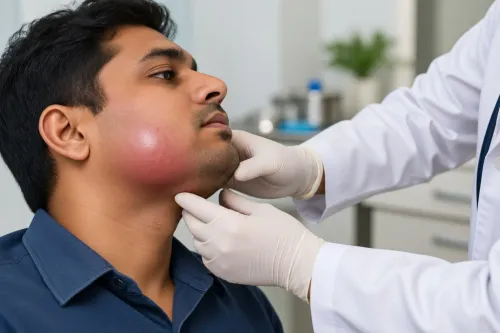
Squamous cell carcinoma is one of the important cancer types encountered in the head and neck region. It can arise in areas including the oral cavity, throat and larynx. Treatment is not identical for every patient because cancers that share the same microscopic diagnosis can differ considerably in their location, stage and relationship to nearby structures.
For patients in Pallavaram, Chennai, understanding how advanced treatment for squamous cell carcinoma is selected can make specialist consultations easier to navigate.
Treatment Begins With Accurate Staging
Before deciding on treatment, the medical team needs to understand both the primary tumor and whether the disease has spread to nearby lymph nodes or other areas.
Assessment may involve:
- Clinical examination
- Endoscopic evaluation where appropriate
- Biopsy and histopathology
- CT, MRI or other imaging
- Evaluation of cervical lymph nodes
- Additional investigations based on cancer site and stage
Doctors may also consider nutritional status, swallowing ability, speech, general health and other medical conditions.
These details help determine whether surgery, radiotherapy, systemic treatment or a combination is appropriate.
When Surgery May Be Considered
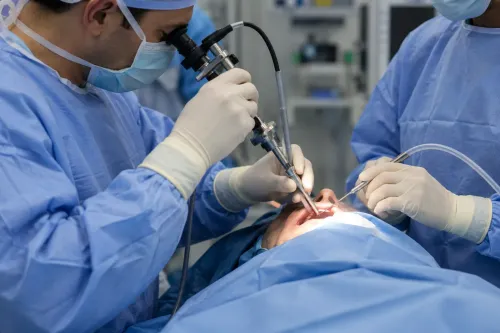
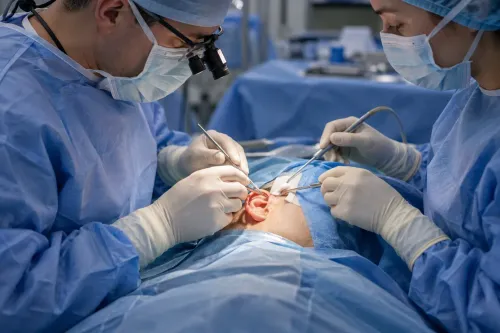
Surgery remains an important treatment option for many head and neck squamous cell carcinomas. The exact operation depends heavily on where the cancer begins.
Some tumors may be suitable for relatively focused removal, while more extensive disease can require removal of additional tissue to obtain adequate margins. When lymph nodes in the neck are involved or considered at meaningful risk, neck dissection may form part of treatment.
Modern head and neck surgery also places considerable emphasis on function. Surgeons consider how treatment may affect speech, swallowing, appearance and movement.
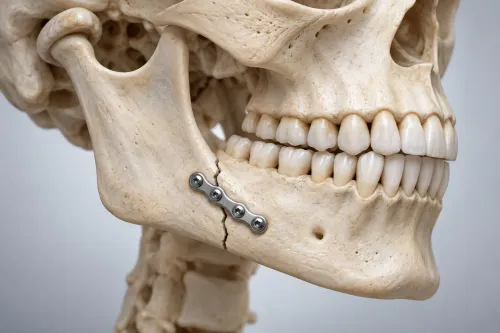
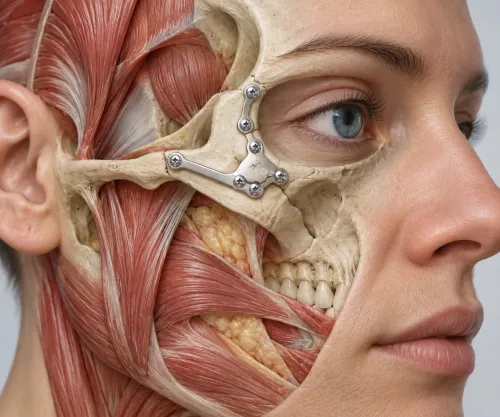
When removal creates a significant defect, reconstructive surgery may sometimes be performed to restore form and function as effectively as possible.
Radiotherapy and Systemic Treatments
Radiotherapy may be used as the main treatment for selected cancers or after surgery when pathological findings indicate additional treatment may be beneficial.
Chemotherapy or other systemic therapies can be incorporated in certain clinical situations. For some patients with recurrent, metastatic or particular forms of disease, treatment planning may also involve targeted medicines or immunotherapy depending on tumor characteristics and established clinical indications.
The phrase 'advanced treatment' therefore does not refer to a single technology. It describes appropriately selected care based on the characteristics of the cancer and the individual patient.
Why Pathology After Surgery Matters
When surgery is performed, the removed specimen provides information that can influence subsequent treatment.
Pathologists may assess factors such as tumor size, surgical margins, lymph node involvement and other microscopic features. These findings help the treating team estimate risk and decide whether postoperative radiotherapy or combined treatment should be discussed.
This is an important reason treatment planning can evolve after surgery.
Function and Rehabilitation Are Part of Cancer Care
Head and neck cancer treatment can affect everyday functions that patients may not initially associate with cancer therapy.
Depending on the tumor location and treatment, support may be required for:
- Swallowing
- Speech and voice
- Nutrition
- Mouth opening
- Dental health
- Shoulder or neck movement
- Appearance and reconstruction
Rehabilitation can therefore be an important part of recovery rather than an optional addition.
At The Face Clinic, head and neck oncology assessment considers diagnosis, tumor location, staging and the functional implications of treatment.
For patients from Pallavaram and other communities across Chennai, Tamil Nadu, the most useful treatment discussion is one based on confirmed pathology and individual staging. Squamous cell carcinoma encompasses different clinical situations, and a personalized treatment plan helps ensure that decisions reflect the actual disease rather than a general description of the cancer type.
Keywords