Many patients successfully complete oral cancer treatment and look forward to returning to their normal routines. However, some continue to experience long-term side effects that affect daily activities. One such condition is trismus, commonly described as jaw tightness or restricted mouth opening. Although often overlooked, trismus can significantly impact eating, speaking, oral hygiene, and overall quality of life.
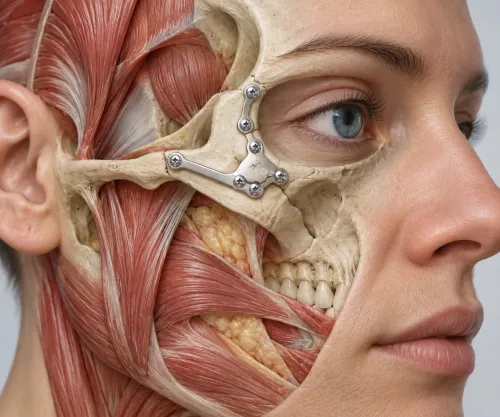
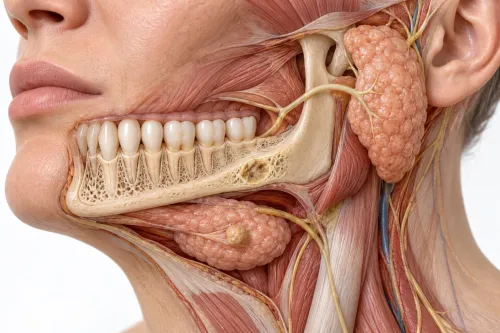
Trismus frequently develops after surgery, radiation therapy, or combined treatment for oral and head and neck cancers. Scar tissue formation, muscle fibrosis, and treatment-related inflammation can gradually limit jaw movement over time.
Patients may initially notice difficulty opening their mouth fully while eating or brushing their teeth. As the condition progresses, even routine activities such as yawning or speaking comfortably may become challenging.
Common symptoms include:
- Difficulty opening the mouth widely
- Jaw stiffness
- Pain during jaw movement
- Challenges while chewing food
- Speech difficulties
- Problems maintaining oral hygiene
One of the reasons trismus can become severe is that symptoms often develop gradually. Many individuals assume the stiffness will improve on its own and delay seeking professional advice. Unfortunately, untreated trismus can become more difficult to manage as scar tissue matures.
Early intervention plays a critical role in preserving jaw function. Treatment strategies focus on maintaining flexibility, improving range of motion, and preventing further restriction.
Management may include:
Jaw Stretching Exercises
Regular exercises help maintain muscle flexibility and improve mouth opening.
Physical Therapy
Specialized rehabilitation techniques may assist patients in restoring movement and reducing stiffness.
Oral Rehabilitation Programs
Comprehensive rehabilitation plans address both functional and quality-of-life concerns.
Pain Management
Addressing discomfort allows patients to participate more effectively in therapy programs.
Patients often ask how soon rehabilitation should begin. In many cases, early guidance following cancer treatment helps reduce the likelihood of severe long-term restriction. Rehabilitation plans are typically customized based on treatment history and individual functional limitations.
Nutrition can also become a concern. Limited jaw movement may make it difficult to consume certain foods, increasing the importance of dietary modifications and nutritional support when necessary.
In Chennai, growing awareness regarding survivorship care has highlighted the importance of managing treatment-related complications alongside cancer recovery. Healthcare providers increasingly recognize that successful treatment involves preserving function as well as controlling disease.
The Face Clinic in Pallikaranai, Chennai, evaluates patients experiencing jaw stiffness and rehabilitation challenges following oral cancer treatment. Individualized assessment helps determine the most appropriate management strategy for restoring function.
Although trismus can be frustrating, many patients experience meaningful improvement with timely intervention and consistent rehabilitation. Addressing symptoms early often provides the best opportunity for maintaining comfortable jaw movement and supporting long-term recovery.
Keywords