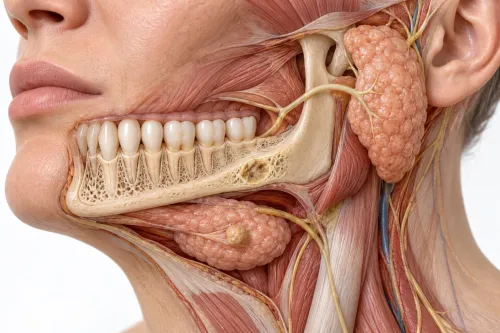
Salivary gland tumors are relatively uncommon but can affect individuals of various age groups. These tumors develop in the glands responsible for producing saliva, including the parotid, submandibular, and minor salivary glands located throughout the mouth and throat. While many salivary gland tumors are benign, some may be cancerous, making accurate diagnosis and appropriate treatment essential.
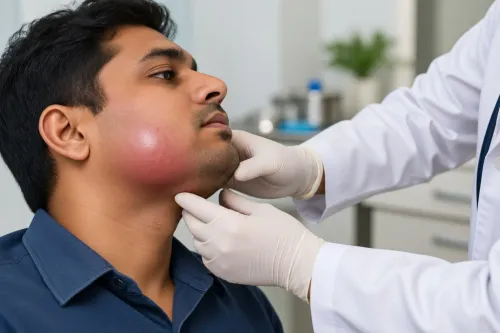
Most patients first notice a painless lump near the jaw, cheek, ear, or neck. Because these growths often develop slowly, many individuals delay medical evaluation. However, any persistent swelling in the salivary gland region should be assessed by a specialist.
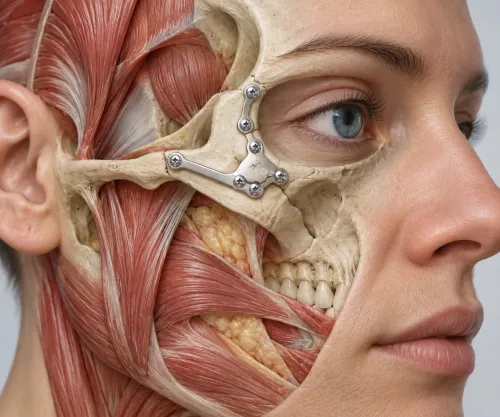
The most common location for salivary gland tumors is the parotid gland, situated just in front of the ear. Although the majority of parotid tumors are benign, distinguishing between benign and malignant growths requires detailed evaluation.
The diagnostic process typically begins with a comprehensive physical examination. Specialists assess the size, location, mobility, and characteristics of the swelling. Facial nerve function is also evaluated because some tumors can affect nearby nerve structures.
Several investigations may be recommended:
Ultrasound Examination
Ultrasound helps identify the nature of the mass and provides valuable information about its structure.
MRI and CT Imaging
Advanced imaging offers detailed visualization of tumor size, depth, and relationship to surrounding tissues.
Fine Needle Aspiration Cytology (FNAC)
This minimally invasive procedure involves collecting cells from the lump for laboratory analysis and can help guide treatment planning.
Biopsy in Selected Cases
Additional tissue evaluation may occasionally be required when diagnosis remains uncertain.
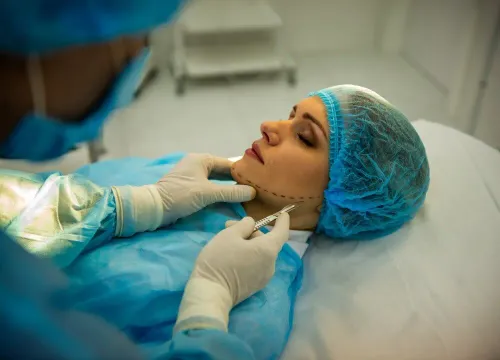
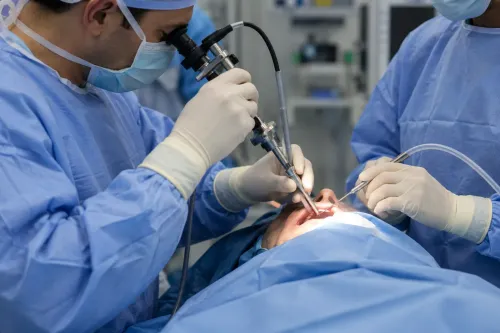
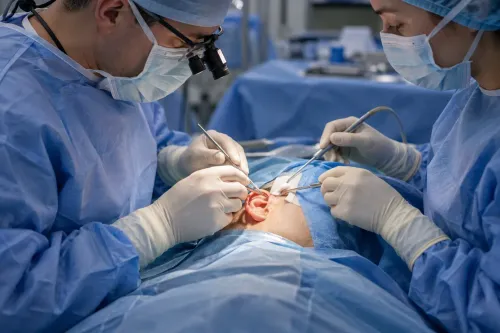
Treatment depends on several factors, including tumor type, location, and pathology findings. Surgery remains the primary treatment for most salivary gland tumors. The goal is complete tumor removal while preserving important structures such as facial nerves whenever possible.
Modern surgical techniques have significantly improved outcomes. Surgeons now utilize advanced imaging and precision planning to reduce complications and optimize both functional and cosmetic results.
Patients often worry about facial weakness following surgery. While this concern is understandable, experienced surgeons carefully identify and protect facial nerve branches during procedures whenever feasible. Recovery varies depending on tumor size and surgical complexity.
In Chennai, awareness regarding early evaluation of neck and facial swellings has increased considerably. Earlier diagnosis often allows for less extensive treatment and improved outcomes.
The Face Clinic in Pallavaram, Chennai, evaluates patients presenting with salivary gland lumps and related head and neck concerns. Through comprehensive diagnostic assessment and individualized treatment planning, patients receive guidance tailored to their specific condition.
Any persistent swelling near the jaw, cheek, or neck deserves attention. Early diagnosis helps determine whether the growth is benign or malignant and supports timely intervention before complications arise.
Keywords