Sometimes, after treatment, it is not pain that concerns patients the most, it is restriction. The inability to open the mouth fully, known as trismus, can affect eating, speaking, and even simple daily comfort. Understanding the management of trismus after cancer treatment becomes essential for patients adjusting to life after therapy.
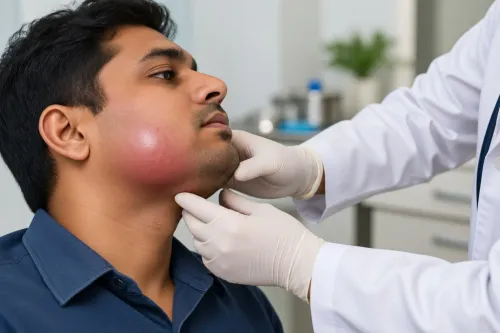
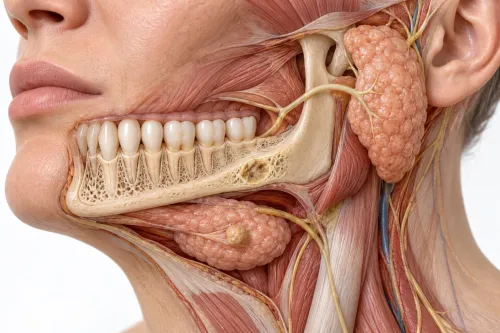
At The Face Clinic, patients often describe this as a gradual tightening rather than a sudden change. It may begin with mild stiffness and slowly progress to difficulty in opening the mouth. This can happen due to surgery, radiation effects, or muscle involvement during treatment.
Management focuses on restoring movement over time. Exercises, guided therapy, and consistent practice play a key role in improving jaw function. It requires patience, as progress may feel slow in the beginning, but with regular effort, many patients notice meaningful improvement.
There is also an emotional aspect to it. Eating comfortably, speaking clearly, and feeling normal again are deeply connected to confidence. Addressing trismus is not just about movement, it is about regaining independence in everyday life.
In Tambaram, where support systems often include family involvement, recovery becomes a shared journey. Having structured guidance alongside that support can make the process smoother.
If you are experiencing jaw tightness after treatment or finding it difficult to open your mouth as before, The Face Clinic can help you explore management options that focus on gradual improvement and long-term comfort.
Keywords